How to Make Fried Chicken Wings at Home
This guide will show you how to make crispy, juicy fried chicken wings at home. You’ll learn simple steps and use common ingredients. You won’t need special training or fancy tools to get the best fried chicken wings recipe.
By the end, you’ll be able to make homemade fried chicken wings that are always crispy and tender. The guide covers choosing ingredients, basic preparation, and essential equipment. It also teaches easy techniques for achieving crispiness.
If you’re unsure about exact cooking times, check our detailed guide on how long to fry wings for perfectly crispy results every time.
Fried chicken wings are a hit for game days, weeknight dinners, and casual gatherings in the United States. This article is organized step-by-step. You’ll learn about ingredients, prep, equipment, frying methods, and recipes like Buffalo and sweet-spicy Asian. It also covers serving ideas, storage, and healthier swaps.
Follow these steps to confidently make classic and creative wings. You’ll also learn how to troubleshoot common problems and store or reheat leftovers. This way, you can keep the flavor and texture.
Table of Contents
Crispy Fried Chicken Wings
Ingredients
Equipment
Method
- If using frozen chicken wings, thaw them completely in the refrigerator.
- Pat the chicken wings completely dry with paper towels.
- Season the wings with kosher salt, black pepper, garlic powder, onion powder, smoked paprika, and optional cayenne.
- For a crispier coating, combine all-purpose flour with cornstarch or rice flour at about a 3:1 ratio.
- Dredge the wings in the seasoned flour mixture.
- For a thicker crust, dip the coated wings in buttermilk and dredge them in the flour mixture again.
- Place the coated wings on a wire rack and let them rest for 10–15 minutes.
- Heat the frying oil to 350–375°F.
- Fry the wings in small batches for about 8–12 minutes, maintaining the oil temperature.
- Check the wings with an instant-read thermometer and make sure they reach at least 165°F internally.
- Remove the wings from the oil with a slotted spoon, spider skimmer, or tongs.
- Drain the fried wings on a wire rack to help keep the crust crispy.
- Toss with your preferred sauce while hot, or serve immediately.
Notes
Frying Temperature: 350–375°F.
Cook Time (full range): 8–12 minutes per batch.
Chicken must reach an internal temperature of at least 165°F.
Use all-purpose flour with cornstarch or rice flour at about a 3:1 ratio for extra crunch.
Fry in small batches to prevent the oil temperature from dropping.
Refrigerate cooked wings within 2 hours and use within 3–4 days.
Freeze for best quality for up to 2–3 months.
Key Takeaways
- You’ll learn to make crispy homemade fried chicken wings with simple pantry items.
- The guide focuses on consistent results and easy fried chicken wings techniques.
- Restaurant-quality texture is achievable at home with basic equipment.
- Recipes include classic Buffalo, sweet-spicy Asian, and Garlic Parmesan variations.
- Coverage includes storage, reheating, and healthier alternatives for everyday cooking.
Ingredients You Will Need for Fried Chicken Wings
First, gather the essential items for a smooth cooking process. Choose fresh chicken wings with skin-on, bone-in pieces for the best taste. If you have frozen wings, thaw them in the fridge before cooking to keep them safe and tender.
Fresh Chicken Wings
Choose whole wings or separate drumettes and wingettes based on your preference. Ensure the wings have even skin and no bruises when buying from Walmart, Kroger, or your local butcher. For parties, plan for 6–8 wings per person.
Seasonings and Marinades
Make a simple dry rub with kosher salt, black pepper, garlic powder, onion powder, smoked paprika, and a bit of cayenne for spice. Add dried oregano for a herbal touch.
For wet preparations, use buttermilk to tenderize and help the breading stick. A saltwater brine increases juiciness. For Asian-style wings, use a soy-sauce marinade. For Buffalo wings, toss in a sauce of Frank’s RedHot and melted butter.
Flour and Breading Options
Use all-purpose flour as the base for crispy fried chicken wings. Mix in cornstarch or rice flour at a 3:1 ratio for extra crunch. Panko breadcrumbs add more texture, and a wet batter with beer or club soda creates a thicker crust.
For gluten-free options, use rice flour, chickpea flour, or a certified gluten-free all-purpose blend. Season your flour mix with salt, pepper, and paprika for richer flavor.
Frying Oil Choices
Choose oils with high smoke points like canola oil, peanut oil, vegetable oil, or refined avocado oil. Peanut oil has a nice flavor but avoid it for nut allergies.
Avoid extra virgin olive oil for deep frying because it has a low smoke point. Keep 2–3 inches of oil in a heavy pot for even cooking. Use a thermometer to maintain a steady oil temperature for the best results.
| Ingredient | Purpose | Tip |
|---|---|---|
| Fresh chicken wings | Primary protein, texture | Buy skin-on, bone-in for best flavor |
| Seasonings for fried chicken wings | Flavor the meat and crust | Use kosher salt and smoked paprika as a base |
| Flour for crispy fried chicken wings | Create crunchy coating | Mix with cornstarch or rice flour for extra crisp |
| Marinades (buttermilk, soy) | Tenderize and add depth | Buttermilk helps breading adhere |
| Frying oil choices | Conduct heat for frying | Use high smoke point oils like canola or peanut |
Preparing Chicken Wings for Frying
Getting your wings ready is key to avoiding soggy or greasy results. Follow a few simple steps to ensure your homemade fried chicken wings are flavorful and safe to eat.
Cleaning and Drying the Wings
Rinse the wings under cold water if you prefer. Then, dry them completely with paper towels. This step prevents oil splatter and helps the breading stick and crisp.
Trim off any excess skin or wing tips with kitchen shears. If needed, separate the drumettes from the wingettes. Always wash cutting boards and utensils with hot, soapy water after handling raw poultry to avoid cross-contamination.
Marinating Techniques
For tender meat, use a buttermilk soak. Soak the wings in seasoned buttermilk for 2 to 24 hours in the fridge. This method adds deep flavor when preparing chicken wings for frying.
For a quicker option, brine with 1/4–1/2 cup kosher salt per quart of water for 1–4 hours. Then, rinse and pat dry before breading. Dry rubs offer instant flavor; apply them immediately or several hours ahead and refrigerate uncovered to dry the skin.
Always keep marinated wings refrigerated. Discard any marinade that touched raw poultry unless you boil it first. These safety steps are crucial when marinating for fried chicken wings.
Seasoning the Chicken Well
Salt early to let it penetrate. If dry brining, salt at least 1–2 hours or the night before. Good seasoning builds from the inside out when making homemade fried chicken wings.
Balance flavors with salt, black pepper, garlic powder, onion powder, smoked paprika, and a pinch of cayenne for heat. Season the flour or breading too so the exterior delivers flavor on every bite.
For spicy fried chicken wings, add hot paprika or cayenne to both the marinade and the breading. Let wings rest after marinating so they come close to refrigerator temperature before dredging. This improves breading adhesion and even cooking.
The Best Cooking Equipment for Fried Chicken
Choosing the right tools is key to making crispy fried chicken wings at home. This guide will show you the essential equipment for golden, safe, and flavorful wings.
Choosing the right frying pan
A heavy-bottomed skillet is best for even heat. A 10–12 inch cast iron or stainless steel pan is ideal for shallow or pan-frying wings in batches. Ensure the pan can hold 2–3 inches of oil without overflowing.
For shallow frying, turn wings to brown both sides. For a classic crunch, deep frying in higher oil levels is better. Use a frying pan for fried chicken wings carefully.
Deep fryer vs air fryer
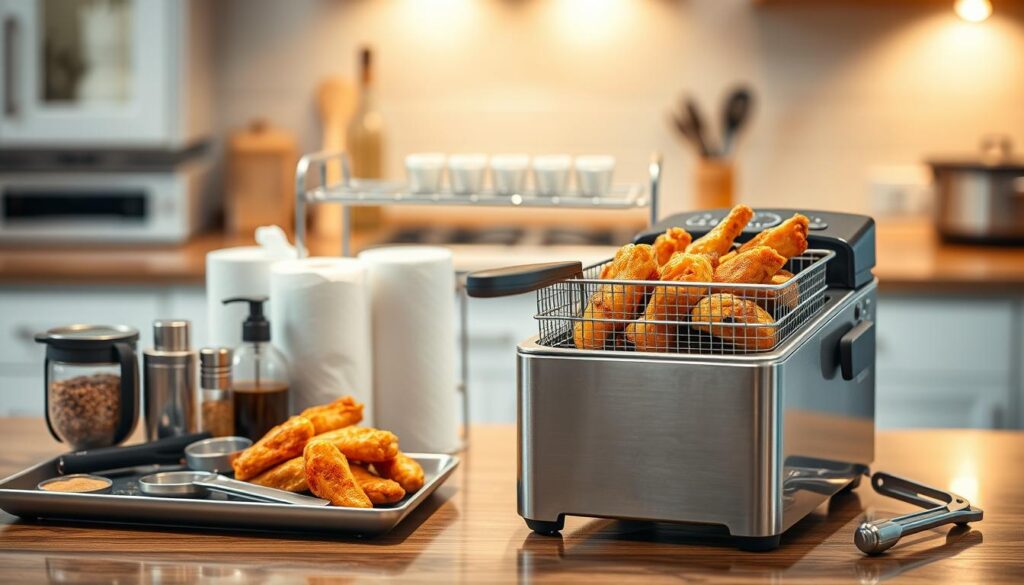
Decide based on your desired taste. An electric deep fryer offers consistent heat and a crispy exterior. It has built-in thermostats and baskets for safety and ease.
An air fryer uses less oil but still produces a crispy finish. It’s a healthier option with a different texture. Many choose air fryers for their convenience and lower fat content.
Consider the balance between indulgence and health when choosing between a deep fryer and an air fryer.
Thermometer for temperature control
A reliable digital instant-read thermometer is crucial. It ensures the meat reaches at least 165°F. Many chefs aim for 175–180°F for juicier wings.
Clip a thermometer to the pot to monitor oil temperature. Keep it between 350–375°F. This range prevents greasy or burnt crusts and ensures crispy wings.
Other useful tools
- Wire cooling rack and sheet pan to drain and keep wings crisp.
- Slotted spoon or spider skimmer for safe removal from hot oil.
- Tongs for turning and handling wings without piercing the skin.
- Heatproof gloves or a splatter guard to protect you from hot oil.
Techniques for Perfectly Fried Chicken Wings
You want wings that stay crunchy and juicy. These techniques focus on building a good crust, controlling temperature, and timing. This way, every batch turns out crispy and delicious.
Start by mastering double dipping. Double dipping means you coat wings in seasoned flour, then in beaten egg or buttermilk, and finally in flour or panko again. This second coat makes the crust thicker and crunchier, perfect for holding sauce.
After coating, let the wings rest on a wire rack for 10–15 minutes. This step helps the crust set and prevents loose flour from clumping during frying.
Keeping the oil at the right temperature is key. Heat your oil to 350–375°F and use a thermometer to check it. Fry in small batches to avoid temperature drops. If the oil temperature drops, the wings will absorb too much fat and lose their crunch.
Always have a lid and kitchen mitts ready for safety. If the oil starts smoking, lower the heat or change the oil. Never add water to a hot oil flare-up.
Timing depends on wing size and technique. Typically, fry wings at 350–375°F for 8–12 minutes per batch. You can also use a two-stage approach: fry at 300–325°F for 6–8 minutes to cook through, then at 375°F for 1–3 minutes to crisp up.
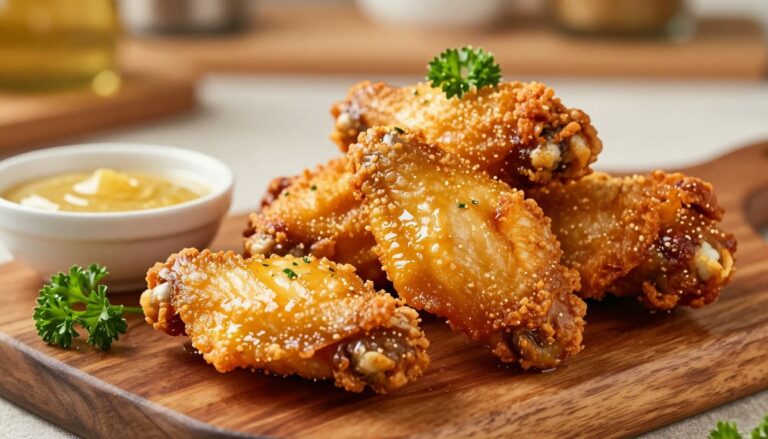
Check if the wings are done with an instant-read thermometer. Aim for 175–180°F for tender meat and crispy fat. Look for a uniform golden-brown color and a firm crust.
Rest the wings briefly on a wire rack to drain excess oil and stabilize the crust before saucing. For sauced wings, toss them while hot to ensure even coating and keep the crispy exterior.
For a classic pairing, try this homemade Chick Fil A sauce recipe that works perfectly with crispy fried chicken wings.
| Technique | Target Temp | Time | Key Benefit |
|---|---|---|---|
| Single-stage fry | 350–375°F | 8–12 minutes | Simple, consistent crisp for medium-sized wings |
| Two-stage fry | 300–325°F then 375°F | 6–8 min then 1–3 min | Better fat rendering and extra crunchy crust |
| Double dipping fried chicken wings | 350–375°F | 8–12 minutes | Thicker, longer-lasting crust for sauced wings |
| Small-batch frying | Maintain 350–375°F | Depends on batch size | Prevents oil temperature drop and greasy coating |
Exploring Different Fried Chicken Wing Recipes
By changing sauces and finishes, you can make a simple fry into many dishes. Here are three easy variations. They focus on flavor, cooking times, and serving tips for great results every time.
Buffalo-style heat:
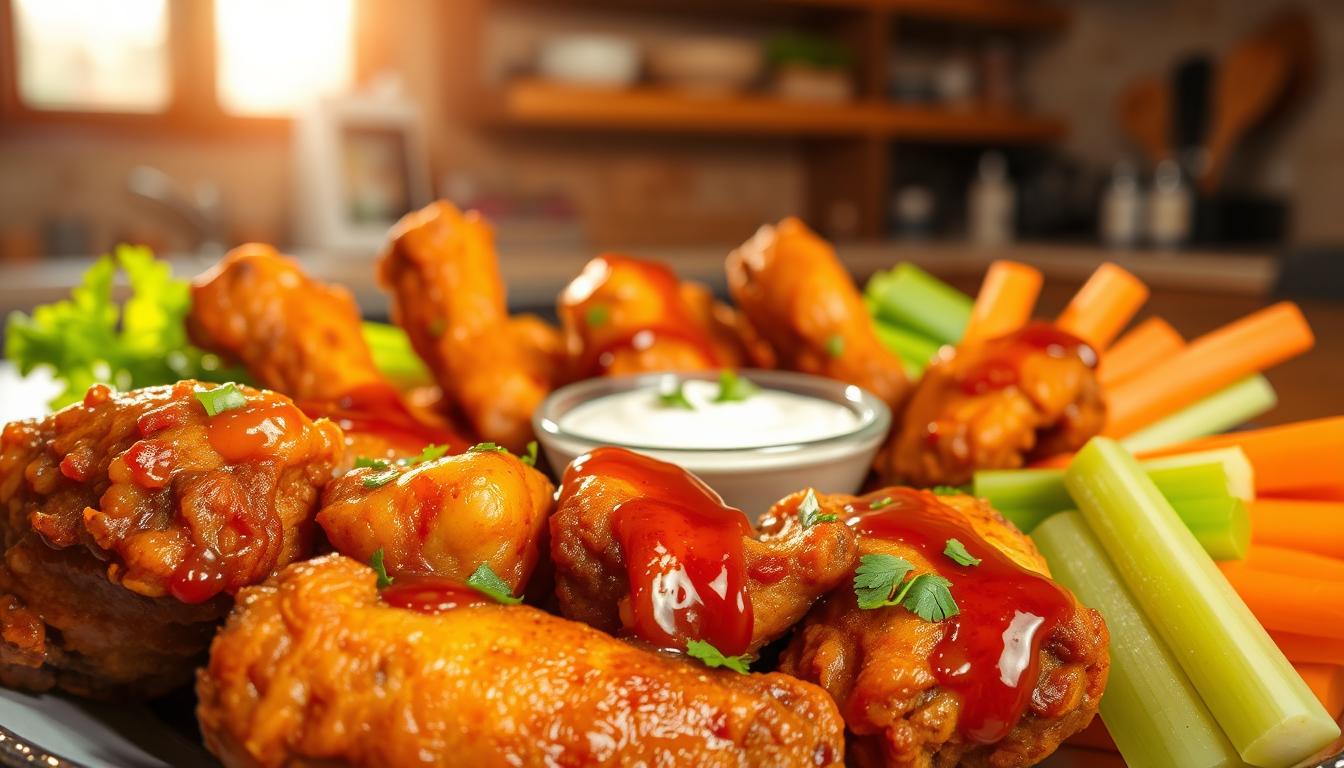
Begin with a basic fried chicken wings recipe. Use Frank’s RedHot or similar cayenne-based sauce mixed with melted butter, 2:1. Fry until crispy, then warm the sauce. Toss the wings to coat them well.
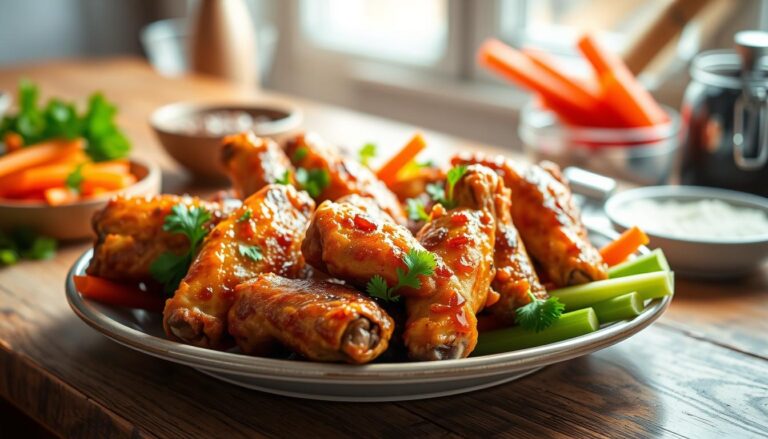
Serve with celery sticks and blue cheese or ranch dressing. For a sweeter touch, add honey. Or, for more heat, sprinkle extra cayenne.
Sweet and spicy Asian glaze:
For a sweet and spicy twist, create a glaze. Mix soy sauce, honey or brown sugar, rice vinegar, garlic, ginger, and gochujang or sriracha. Reduce the sauce until thick, then toss the wings.
Finish with toasted sesame seeds and chopped scallions. Try orange juice or hoisin for different sweetness levels.
Garlic and cheese finish:
Garlic Parmesan fried chicken wings are a hit. Coat hot wings with garlic-infused butter or olive oil. Sprinkle grated Parmigiano-Reggiano, parsley, and lemon zest right away.
Use olive oil for a lighter taste. The warm wings keep the cheese on without losing crispness. Serve with lemon wedges for extra brightness.
Adjust the salt and heat to your liking. For each recipe, note the cooking times and serving sizes. Keep wings hot while tossing in sauce for the best flavor and texture.
Looking for a lighter option? Our guide to cooking oven chicken wings shows how to get crispy wings with less oil.
Serving Suggestions for Fried Chicken Wings
After cooking, think about how to present your wings. Good presentation boosts appetite and makes your fried chicken wings feel like they’re from a restaurant. A simple setup highlights flavor and texture without hassle.
Accompaniments and Dips
Offer classic dips like blue cheese and ranch for Buffalo-style heat. Add honey mustard, BBQ sauce, spicy mayo, sweet chili, or garlic aioli to match different wing spices.
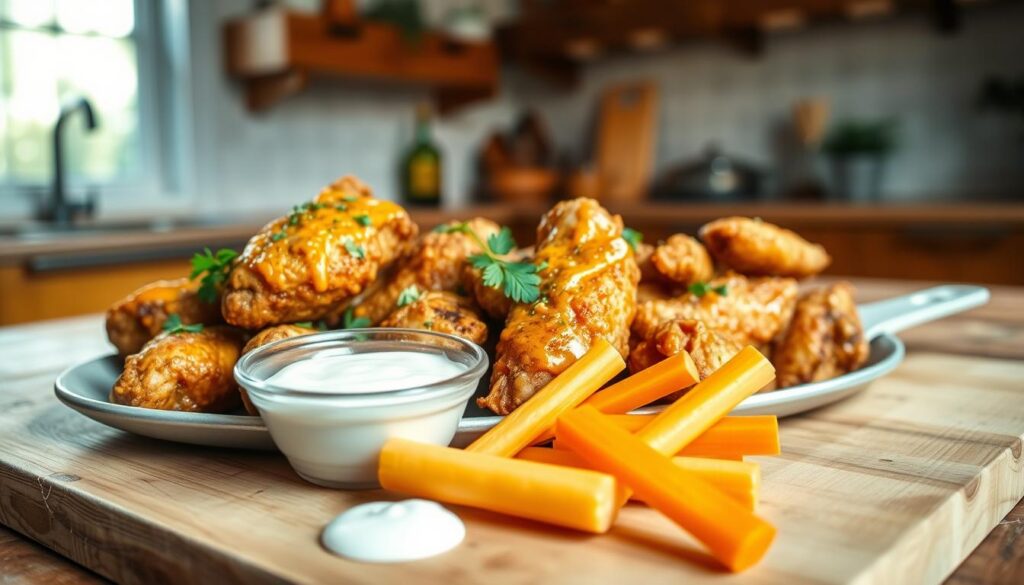
Serve crisp celery and carrot sticks alongside dips for fried chicken wings. Place sauces in small bowls so guests can reach them easily and keep plenty of napkins nearby.
Side Dishes That Pair Well
Choose finger foods such as French fries, sweet potato fries, or onion rings as sides for fried chicken wings. These pair well with casual gatherings and game-day menus.
For heartier plates, add mac and cheese, cornbread, or baked beans. Lighter options like mixed greens or pickled vegetables help cut through richness.
Creative Serving Options
Try a creative fried chicken wings serving by arranging multiple flavors on a large platter with labeled sections for parties. Guests can sample different styles without confusion.
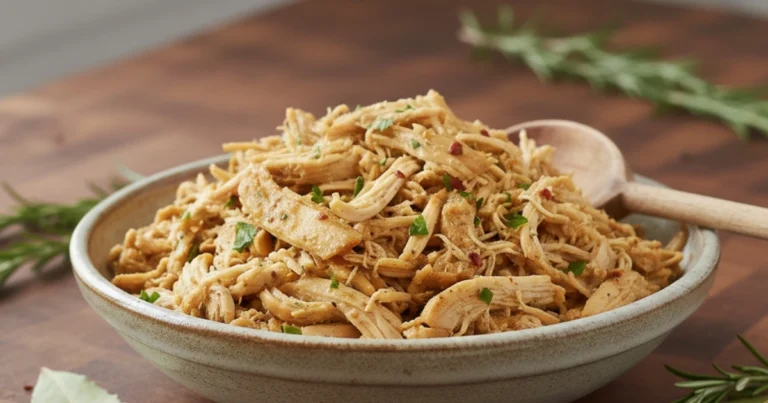
Make wing sliders using pulled-fried meat on small buns for a handheld twist. You can also create bowl meals by placing wings over rice and topping with scallions and sesame seeds.
- Portion guide: 6–10 wings per adult as a main, 3–5 as an appetizer.
- Beverage pairings: cold beer, iced tea, or sparkling nonalcoholic drinks refresh the palate.
- Combine your favorite dips for fried chicken wings with thoughtful sides for fried chicken wings to build a balanced, delicious fried chicken wings spread.
Common Mistakes to Avoid When Frying Wings
Frying wings at home can be tricky. A few small mistakes can mess up the texture and taste. Here are some common errors and tips to help you avoid them.
One big mistake is overcrowding the pan. This lowers the oil temperature and makes the crust soggy. To fix this, fry in small batches. Make sure to leave enough space between each piece so the hot oil can circulate well.
Use a wire rack to hold cooked wings while you fry more. This keeps the crust crispy and prevents steam from making the skin soft.
Not heating the oil enough can make your wings greasy. To avoid this, heat the oil to 350–375°F. This shortens the cooking time and helps prevent oil absorption.
Keep a reliable thermometer handy. Watch the temperature as you add and remove wings. Try a two-stage fry: first, cook at a lower temperature to cook through, then finish at a higher temperature for extra crispiness.
Using low-quality ingredients can also ruin your wings. Choose fresh spices, high-smoke-point oils like canola or peanut, and well-cut, fresh or fully thawed wings.
Season both the meat and the breading for full flavor. Taste your seasoning mix and adjust before dredging the wings.
Other mistakes include not drying wings well before breading, overbreading, and thick batter that traps doughy pockets. Also, don’t toss wings in sauce too early.
Let wings rest briefly after saucing and serve them quickly. This way, the crust stays crisp. Follow these tips to avoid common mistakes and make delicious, restaurant-quality wings.
Storing Leftover Fried Chicken Wings
You cooked a batch and want to keep the flavor and crunch. Proper refrigeration and careful packing make storing fried chicken wings simple. Follow these steps so your delicious fried chicken wings storage stays safe and tasty for later.
Proper Refrigeration Techniques
Cool wings to near room temperature, but do not leave them out longer than two hours. Place them in shallow, airtight containers or wrap tightly with foil or plastic wrap. This prevents moisture loss and bacterial growth.
Refrigerate within two hours of cooking and plan to eat refrigerated wings within 3–4 days. If you have sauced and dry wings, store sauces separately. Sauced pieces go soggy faster, while dry wings hold crispness longer.
Reheating Methods for Best Taste
For the best results when reheating fried chicken wings, use an oven. Preheat to 350–400°F and place wings on a wire rack over a sheet pan. Heat 10–15 minutes until the internal temperature hits 165°F and the crust re-crisps. For extra crisp, broil briefly while watching closely.
If you own an air fryer, reheat at 350°F for 5–8 minutes until warmed through and crisp. This method works well for preserving texture. Use the microwave only when necessary; it softens the crust. If you must microwave, re-crisp in a skillet or under the broiler afterward.
For sauced wings, warm the sauce separately and toss the wings quickly just before serving. This keeps leftover fried chicken wings from becoming limp and preserves flavor.
Freezing Tips for Long-Term Storage
To freeze wings, lay them on a sheet pan in a single layer and flash-freeze until solid. Transfer frozen pieces to freezer-safe bags or containers to prevent sticking and preserve shape. Label with the date and use within 2–3 months for best quality.
Thaw overnight in the refrigerator. To reheat from frozen, bake at 375°F for 25–35 minutes on a wire rack, flipping halfway through. Heat until the center reaches 165°F. Finish with a quick broil if you want extra crisp.
Always discard wings that sat out longer than two hours. When reheating, verify the temperature reaches at least 165°F for safe serving. These steps make storing fried chicken wings, reheating fried chicken wings, and freezing fried chicken wings straightforward and reliable.
Healthier Alternatives to Fried Chicken Wings
You can enjoy the taste you love while cutting calories and fat. Try simple swaps, cooking tweaks, and lighter sauces. This way, you can have healthier fried chicken wings without losing crunch or taste.
Baking vs. frying
Baking is a great way to get crispy wings with less oil. Dry the wings, brush them with oil, and put them on a wire rack over a sheet pan. Start at 375°F to cook through, then raise the oven to 425–450°F or broil briefly to brown and crisp the skin.
Use panko or whole-wheat crumbs and a light mist of oil to promote browning. Baked chicken wings have less grease and a cleaner kitchen, yet they’re just as satisfying.
Using air fryers for lower fat content
An air fryer uses hot air to create a crunchy finish with minimal oil. Lightly coat wings with oil or use an oil mister for even coverage.
Most models cook wings in about 20–25 minutes at 375–400°F, shaking or flipping halfway for even crisping. Air fryer fried chicken wings are lower in fat and calories, yet still satisfying for regular meals.
Alternative ingredients for healthier options
Choose skinless wings or remove skin after cooking to cut saturated fat. The skin adds much of the crisp and flavor. Swap white flour for whole-wheat or gluten-free blends to change the nutritional profile.
Lean cuts like boneless chicken tenders prepared the same way offer a lower saturated fat option. Favor vinegar-based or low-sugar hot sauces over butter-heavy coatings to reduce calories.
Balance the plate with vegetable-forward sides such as a crisp salad or roasted broccoli. Watch portion sizes to make healthy fried chicken wings part of a sensible meal plan.
Final Thoughts on Making Fried Chicken Wings
Making fried chicken wings at home lets you control what goes into them. You choose the chicken, oil, and seasonings. This way, you can make them healthier and tastier, just how you like.
Why Home-Cooked Options Shine
Cooking at home saves money and lets you make more or less as needed. You can keep an eye on the oil temperature and use good brands. This makes homemade wings better for your taste buds and your health.
Experimenting with Flavors
Start with a classic Buffalo recipe and then try something new like Korean gochujang or honey-chipotle. Change one ingredient at a time to see how it affects the flavor. Keep track of what works so you can make it again.
Enjoy the Process
See cooking as a fun, social activity. Prepare safely, fry in batches, and share with friends. Celebrate your successes, like perfectly golden wings. Try a classic and a new recipe, and even make a healthier version in an air fryer.
Leftover chicken can also be used as a topping for this easy BBQ chicken pizza recipe.
FAQ
How do I get perfectly crispy fried chicken wings at home?
What oil is best for frying chicken wings?
How long should I fry chicken wings and what internal temperature should I aim for?
Can I make spicy fried chicken wings at home without overwhelming heat?
What’s the best way to brine or marinate wings for juicy meat?
Are air-fried wings as good as deep-fried wings?
How do I prevent greasy or soggy wings?
What are quick and popular sauces I can make for wings?
How should I store and reheat leftover fried chicken wings?
Can I make gluten-free or healthier versions of fried chicken wings?
How many wings should I buy per person for a party?
What equipment do I need to fry wings safely and consistently?
My breading falls off during frying—how can I fix that?
Should I toss wings in sauce immediately after frying or wait?
Where can I find the best fried chicken wings near me if I don’t want to cook?
⭐ Love This Recipe? Tell Us What You Think!
There are no reviews yet. Be the first one to write one.