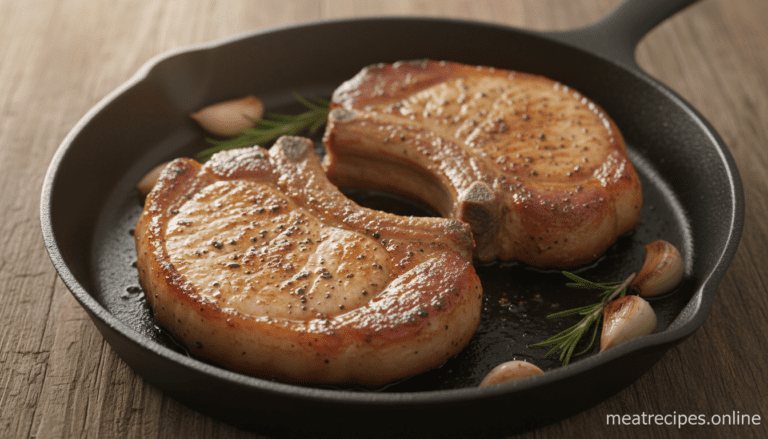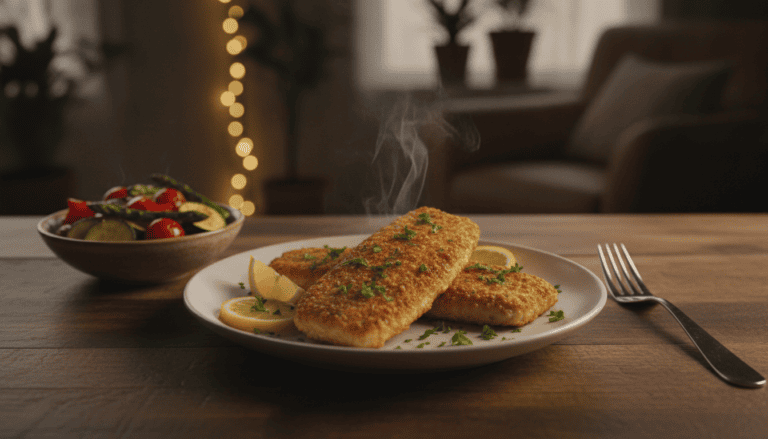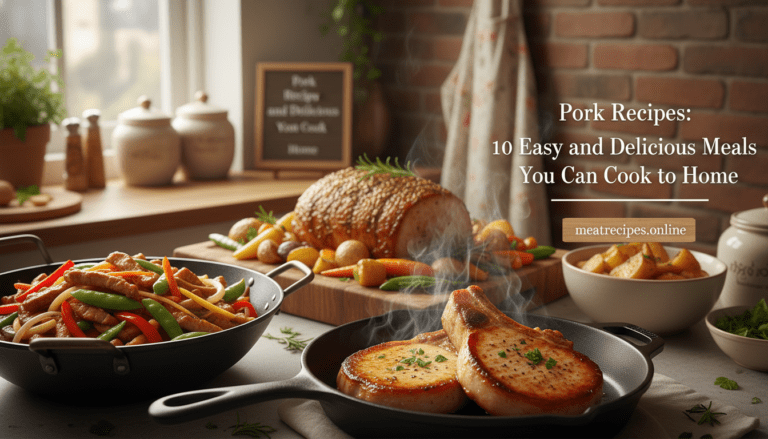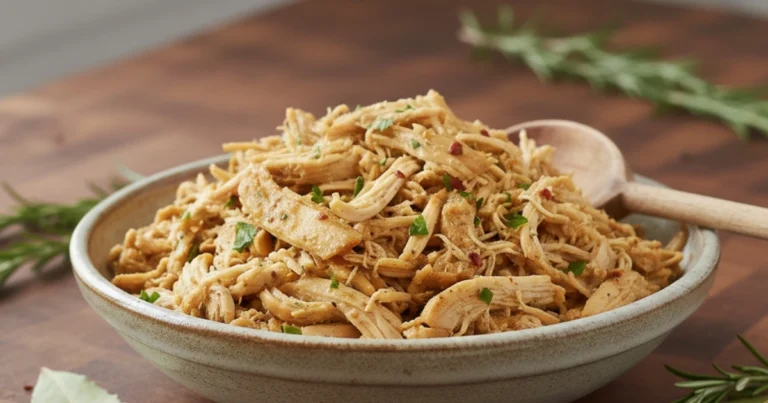
Easy Boneless Pork Chops: Juicy 30-Minute Recipe
Easy boneless pork chop recipes make it easy to enjoy restaurant-quality pork at home. Can a simple weeknight method give you restaurant-quality pork in under 30 minutes? You might think long cooks or fancy techniques are needed, but that is not true.
Pork chops are a quick and simple dinner option for busy families. Cooking 1-inch thick cuts helps them stay tender. The key is hitting an internal temperature of 145°F with a reliable thermometer so the meat is safe and juicy.
Whether you sear on the stove or use the oven for baked pork, these methods save time and deliver consistent results. Follow a clear recipe and monitor the thermometer to get perfect texture every time. This guide will show you practical tips to make dinner fast, flavorful, and foolproof.
Cooking pork safely is essential for both flavor and health. According to the USDA, pork should be cooked to the proper internal temperature to ensure it is safe to eat.
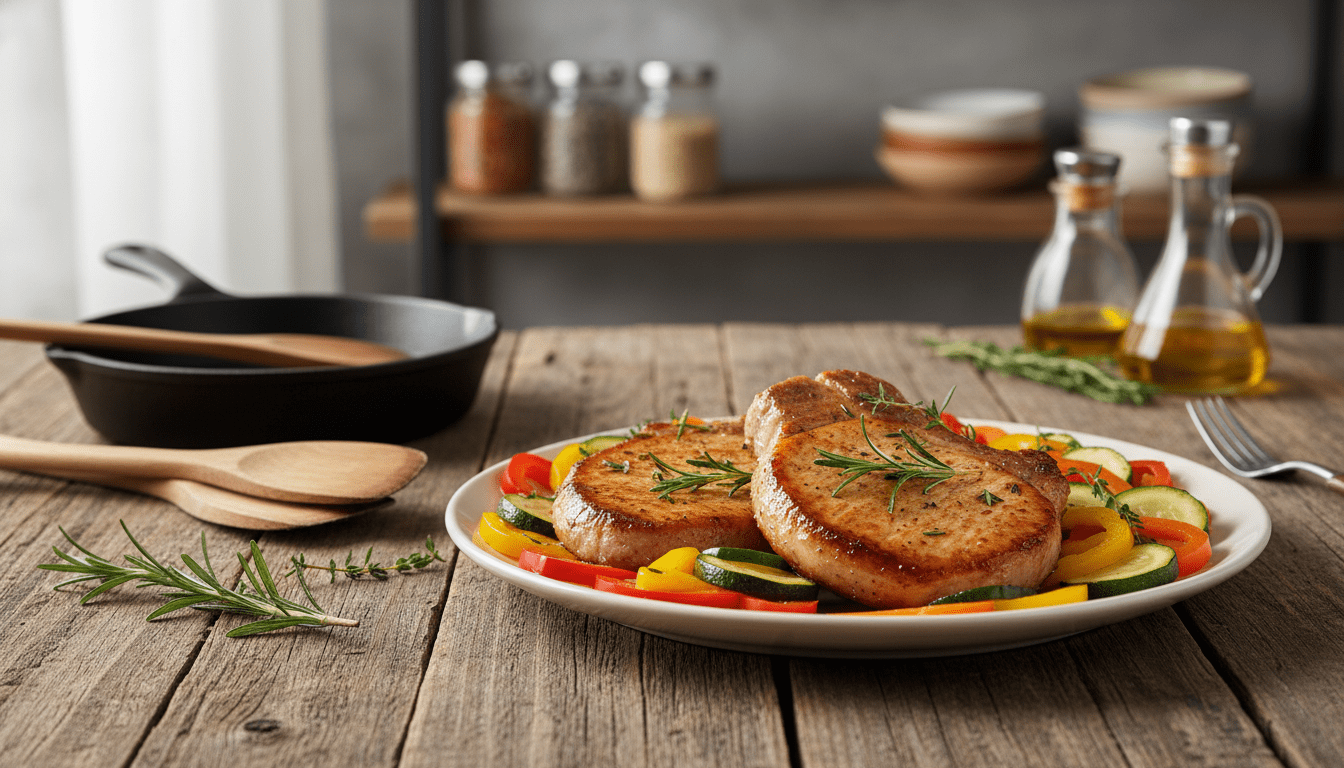
Easy Boneless Pork Chops
Ingredients
Equipment
Method
- Take the boneless pork chops out of the refrigerator and let them sit at room temperature for 30 minutes.
- Pat the pork chops dry with paper towels.
- Mix the paprika, garlic powder, onion powder, salt, pepper, and dried oregano in a small bowl.
- Rub the pork chops with a little olive oil on both sides, then season them evenly with the spice mixture.
- Preheat the oven to 400°F.
- Place the pork chops on a parchment-lined baking sheet.
- Bake for 15–20 minutes, checking the thickest part with an instant-read thermometer.
- Remove the pork chops from the oven when the internal temperature reaches 145°F.
- Let the pork chops rest for 5 minutes before serving.
Notes
Key Takeaways
- Cooking 1-inch cuts preserves tenderness and flavor.
- Aim for an internal temperature of 145°F for safe, juicy meat.
- Use a good thermometer to track doneness precisely.
- Stovetop sears and oven-baked methods both work well.
- With the right steps, you can have dinner ready in under 30 minutes.
- Simple techniques turn weeknight cooks into reliable successes.
Table of Contents
Why Boneless Pork Chops Are Perfect for Weeknight Dinners
If you need a fast family dinner, these pork chops deliver in about 30 minutes. That short time frame makes them ideal when your evening is packed and you still want a satisfying meal.
Using boneless pork keeps costs low and speeds prep. Proper handling and attention to temperature prevent the meat from drying out during a quick oven bake.
A simple seasoning of garlic powder and onion powder gives a savory crust without fuss. With basic techniques, your family gets juicy, flavorful chops every time.
- Budget-friendly: uses affordable, everyday ingredients.
- Fast: ready in roughly 30 minutes.
- Reliable: timing and temp keep meat tender.
- Flavorful: a small blend of garlic powder and onion powder adds big taste.
Essential Ingredients for Easy Boneless Pork Chop Recipes
Good results begin at the counter: the right seasonings and a bit of oil go a long way. Gather simple pantry staples so you can move quickly when dinner time arrives.
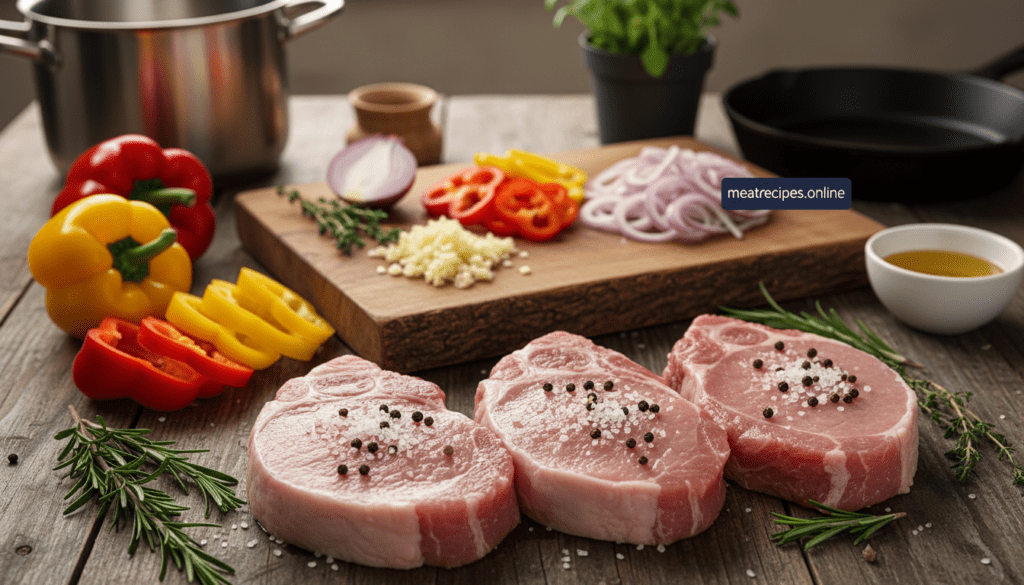
Pantry Staples
Mix a standard blend of paprika, garlic powder, onion powder, salt, and pepper in a small bowl. Add dried oregano for depth.
Use 1 tablespoon of olive oil to help the seasoning stick and to form a golden crust during searing or when you finish in the oven.
Choosing the Right Cut
This guide centers on boneless pork chops, but you can swap in bone-in pork chops or bone-in pork for added flavor. Expect slightly longer cook times with bone-in cuts.
- Combine dry ingredients in a small bowl for quick prep.
- Use high-quality olive oil to balance fat and flavor.
- Keep pantry staples on hand for varied pork recipes and easy weeknight dinners.
- Print the recipe card to save ingredient measures for future meals.
| Ingredient | Amount | Purpose |
|---|---|---|
| Paprika | 1 teaspoon | Color and mild smokiness |
| Garlic powder | 1 teaspoon | Savory backbone |
| Onion powder | 1 teaspoon | Sweet, rounded flavor |
| Salt & pepper | To taste | Enhance and balance |
| Olive oil | 1 tablespoon | Helps crust formation and seasoning adhesion |
Preparing Your Meat for Maximum Tenderness
A short step before cooking makes the biggest difference. Take your pork chops out of the fridge and let them sit for 30 minutes. This brings the meat to room temperature so it cooks more evenly and shortens active cook time.
Pat each chop dry with a paper towel. Removing surface moisture helps the sear form. Then rub a little oil on both sides to help the seasoning stick.
Salt the meat about 30 minutes before you start the recipe. Salting early improves flavor and texture in the lean cuts. Use kosher salt for even coverage.
During cooking, use an instant-read thermometer to check doneness. Aim for an internal temperature of 145°F to keep the pork safe and juicy.
Once the cook time ends, let rest the pork for 5 rest minutes. Letting the meat rest lets the juices redistribute so every bite stays succulent.
| Prep Step | Timing | Why it matters |
|---|---|---|
| Bring to room temp | 30 minutes | Even cooking from edge to center |
| Pat dry & oil | Right before cooking | Better sear and crust |
| Salt in advance | 30 minutes | Improves flavor and texture |
| Check temp | During cook | Confirm 145°F internal temperature |
| Rest | 5 rest minutes | Keeps juices inside the meat |
Mastering the Stovetop Sear
A scorching skillet and the right oil are the secret to a crisp, caramelized surface on your pork. Start with a heavy pan and a high-heat oil such as avocado or olive to get that golden crust fast.
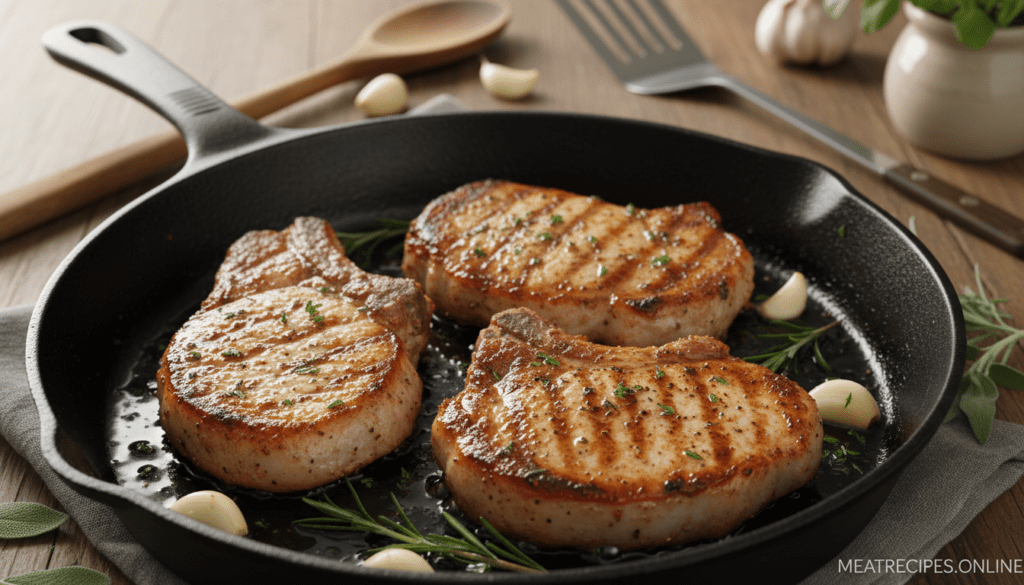
The Importance of High Heat
Heat the skillet until it is very hot, then add a thin film of oil. Sear the chops on high for 2–3 minutes per side to develop color.
After the initial sear, lower the heat so the meat finishes cooking gently. This two-stage approach prevents a burned exterior and a dry center.
Creating a Simple Pan Sauce
Use the browned bits left in the pan. Deglaze with chicken stock and a splash of apple cider vinegar.
Add a touch of honey and a pat of butter to round the sauce. Stir in a teaspoon onion and a teaspoon garlic while it reduces. Finish with a pinch of salt and pepper to taste.
Using a Thermometer
Insert an instant-read thermometer into the thickest part of the chop. When the internal temperature reaches 145°F, remove the meat from the heat.
Rest the pork for a few minutes before serving. This keeps the meat juicy and makes the final plating with your favorite side simple and reliable.
For a deeper look at nailing internal temperature and resting time on any cut, see our full guide to how to cook moist pork chops.
Achieving Juicy Results with Oven Baking
A hot oven gives you a fast, hands-off method to produce tender, well-browned pork every weeknight. Preheat your oven to 400°F so the exterior develops a nice crust while the inside stays moist.
Place your chops on a parchment-lined baking sheet to prevent sticking and make cleanup simple. Brush each piece with a little olive oil to help the surface crisp and hold seasoning.
Bake for about 15–20 minutes. Use an instant-read thermometer inserted into the thickest part of the meat. When the internal temperature reaches 145°F, remove the tray from the oven.
Let the chops rest for 5 rest minutes so juices redistribute. If you choose bone-in pork chops, add a few extra minutes and recheck the temperature before letting them rest.
- Quick timing: 15–20 minutes at 400°F for most cuts.
- Check doneness: thermometer reads 145°F.
- Finish step: let rest 5 rest minutes before serving.
Flavorful Seasoning Blends and Rubs
A well-balanced rub turns simple cuts into bold, memorable weeknight meals. Mix spices in a small bowl so the flavors spread evenly before you coat the meat.

Customizing Your Spice Mix
Start with a classic base: paprika, garlic powder, onion powder, salt, and pepper. Add a pinch of sugar to help the surface caramelize during oven or stovetop cooking.
Rub the meat with a little olive oil first so the seasoning sticks. For heat, stir in chili powder. For herb notes, add dried oregano or thyme.
- Measure spices in a bowl to control salt and fat.
- Use a teaspoon garlic and a teaspoon onion in your blend for depth.
- Adjust paprika and pepper to suit your taste and the side dishes you plan to serve.
| Ingredient | Amount | Purpose |
|---|---|---|
| Paprika | 1 tsp | Color and mild smokiness |
| Garlic powder | 1 tsp | Savory backbone |
| Onion powder | 1 tsp | Sweet, rounded flavor |
| Salt & pepper | To taste | Balance and seasoning |
Best Side Dishes to Complement Your Meal
Choose sides that soak up sauce and balance rich flavors for a complete plate.
Serve your pork chops with creamy mashed potatoes to catch every drop of pan sauce. The soft texture pairs well with a seared crust and brings comfort to the table.
For lighter contrast, toss a fresh salad or sauté zucchini and cabbage with a touch of garlic. These quick vegetables add color and a bright counterpoint to the main.
Rice is a versatile base if you prefer grains. Or add a protein-rich side like beans or lentils to make the dinner more filling without extra fuss.
- Classic: mashed potatoes soak up sauce and add comfort.
- Healthy: roasted vegetables or a leafy salad balance richness.
- Quick: rice or simple sautés finish in minutes while meat rests.
- Hearty: beans or lentils boost protein and make the meal substantial.
Prepare sides while the meat rests so everything is hot at serving time. These options keep your recipe simple and let the seasoned chops stay the star of the plate.
Storage, Freezing, and Reheating Without Drying Them Out
Treat your cooked pieces right after dinner and they will reheat like fresh in minutes. Cool the meat slightly, then seal it airtight so juices stay put. Store cooked portions in the refrigerator in an airtight container for up to 4 days.
Refrigerator Storage Tips for Cooked Pieces
Let the slices rest and cool for a few minutes before packing. Seal tightly and label with the date. This keeps flavor locked in and prevents odors from spreading to other fridge items.
How to Freeze Marinated Pieces in a Freezer Bag
For make-ahead meals, add seasoned pieces and marinade to a gallon-size freezer bag. Squeeze out the air, label the bag, and freeze it flat so the contents thaw faster later. Thaw in the fridge for about 24 hours before cooking.
Thawing Safely and Reheating Gently to Protect Moisture
Thaw only in the refrigerator so the texture stays firm and cooks evenly. When reheating, warm slowly using a low oven around 275°F with a splash of stock, or a covered skillet on low heat. Heat just until warm at the center, since the goal is restoring warmth, not re-cooking the meat.
More Flavor Variations to Try
Once you have the base method down, try these two easy twists to keep weeknight dinners interesting without changing your core technique.
Garlic-Butter Finish for Restaurant-Style Flavor
After searing, add a knob of butter and minced garlic to the pan and baste the meat briefly. The butter melts into a glossy, rich coating that pairs well with roasted potatoes or a green side.
Sweet-and-Savory Honey-Soy Glaze
Marinate the chops with soy sauce, honey, and minced garlic for 2 hours or overnight. Bake at 350°F until the internal temperature is close to done, then simmer the leftover marinade for a few minutes to make a sticky glaze. Serve over rice for an easy, crowd-pleasing side.
Conclusion
With clear steps and the right thermometer, you get consistent, flavorful results that make weeknights easier. Follow the internal temperature target, use garlic powder and onion powder in your seasoning, and let the meat rest the recommended rest minutes.
Whether you sear on the stove or finish in the oven, these methods yield juicy pork chops in just a few minutes. Brush with a little olive oil, season with paprika, salt and pepper, and check doneness with an instant-read tool.
Serve with mashed potatoes or bright sides for a balanced dinner. Print the recipe card or save these tips so your future meals come out right every time.
Looking for more easy dinner ideas? Try our sweet and sour pork recipe for another flavorful pork dinner, or browse our full best pork recipes collection for more ideas.
FAQ
What internal temperature should your pork reach for safe, juicy results?
How long should you let meat rest after cooking and why does it matter?
What simple seasonings work best if you only have pantry staples?
Can you cook thicker cuts the same way as thin cuts and how should timing change?
Is a pan sauce worth the extra step and how do you make one quickly?
Should you brine the meat and what does brining do?
What oils are best for searing at high heat?
How can you customize spice blends to suit your taste?
What sides pair well for a balanced plate and quick prep?
Can you adapt the methods here for bone-in cuts and what changes?
How do you prevent the meat from sticking to the pan?
Is sugar or honey useful in rubs and how much should you use?
What thermometer should you buy for accurate readings?
⭐ Love This Recipe? Tell Us What You Think!
There are no reviews yet. Be the first one to write one.