How to Cook Chicken Properly So It Shreds Perfectly (Easy Guide).
Table of Contents
How to cook chicken to shred is the reason some shredded chicken stays juicy while others turn dry and stringy.
This guide will show you how to cook chicken to shred perfectly. It’s great for tacos, sandwiches, salads, soups, or freezer meals. You’ll get tender results every time.
You’re here for practical steps, not vague tips. This article is for home cooks, busy families, and meal preppers. You’ll learn about cuts, cooking methods, timing, and tools.
We’ll cover the best ways to shred cooked chicken. You’ll learn about poaching, slow cooker, braising, and Instant Pot methods. Plus, get seasoning advice, storage tips, and quick fixes for dry chicken.
Food safety is key: the guide ensures your chicken is safe and tender. You’ll learn about internal temperatures and smart storage.
By the end, you’ll make moist, tender shreds. They’ll hold sauces, absorb flavors, and reheat well.
Key Takeaways
- Learn reliable methods for how to cook chicken to shred for meal prep and recipes.
- Choose the right cut and cooking method to avoid dry, stringy results.
- Use the best way to shred cooked chicken for faster, more consistent shreds.
- Follow safety guidance for internal temperature, cooling, and storage.
- Apply simple seasoning and reheating tips so shredded chicken stays moist and flavorful.
Understanding why shredding technique matters for shredded chicken
Shredding is more than just changing the look of cooked chicken. It breaks down the meat into tender strands. These strands hold onto sauces and seasonings better than slices.
This makes lean cuts taste juicier and more satisfying. The added surface area helps flavors sink in.
Texture and mouthfeel: why shredding changes the eating experience
Shredded chicken offers a soft, fibrous bite. The fine strands coat tortillas and bread, delivering sauce and protein with each bite. This makes every bite flavorful.
Chunkier shreds add contrast in salads and casseroles. They let you feel distinct pieces of chicken among other ingredients.
How shredded chicken works in different recipes
Different recipes need different shred sizes. For tacos, sliders, and enchiladas, fine shreds work best. They blend well with sauces and toppings.
In hearty salads, stews, or casseroles, larger shreds are better. They hold up against crunchy vegetables and thick gravies. Shredded chicken mixes evenly into fillings, ensuring consistent flavor and texture.
Common shredding mistakes that make chicken dry or stringy
Overcooking dries out the meat. If cooked too long, fibers tighten and resist pulling. Undercooking makes the meat tough and hard to shred.
Shredding right after cooking forces out juices. Resting the meat is crucial. Using sharp tearing motions can make the chicken feel dry.
Shredding cold, fully chilled chicken is also a mistake. It makes pulling fibers difficult and can result in uneven texture.
Mastering the best way to shred cooked chicken is key. Avoid common mistakes by controlling cooking time and temperature. Rest the meat and choose the right shredding motion for even, tender strands. These techniques will help you achieve reliable results in various dishes.
how to cook chicken to shred
Learning how to cook chicken to shred starts with the right choices before heat hits the pan. Below are practical notes on cuts, portions, and wet treatments that make cooking chicken for shredding simple and reliable. Use these tips whether you follow a shred chicken recipe or create your own blend of spices.
Choosing the right cut: breasts vs. thighs for shredding
Dark meat thighs have more fat and connective tissue. This makes them forgiving during longer cooks and yields juicier, more flavorful shreds. Thighs often pair well with bold sauces, tacos, and hearty casseroles.
Boneless skinless breasts are lean and ideal when learning how to cook chicken to shred properly.They can dry quickly if overcooked. Use precise timing, gentle methods like poaching or pressure cooking, or a short brine before cooking chicken for shredding to keep breasts tender.
Recommended portion sizes and planning ahead
Plan about 4–6 ounces cooked chicken per adult serving. Raw poultry typically loses roughly 25% of weight when cooked. For meal prep, 2–3 pounds raw will yield about 6–8 cups shredded, enough for several meals.
Factor in brine or marinade time when scheduling. Quick brines take 30 minutes to 2 hours. Slow-cooker cooks might need 3–6 hours on low. Pressure cooking can reduce that to 10–20 minutes of active cook time plus natural release.
How brining or marinating affects shreddability
A simple salt brine improves moisture retention and makes fibers easier to pull apart. Aim for about 1–1.5% salt by weight or roughly 1/4–1/2 cup kosher salt per gallon of water. Brine breasts for 30 minutes to 2 hours; thighs can handle longer if needed.
Acidic marinades with lemon, vinegar, or yogurt speed tenderizing and add flavor. Short marinating (30 minutes to a few hours) helps. Over-marinating, with strong acids, can cause a mealy or mushy texture and harm shreddability.
Balance flavor penetration and structural effects. If you want a bold shred chicken recipe, combine a short brine with a flavored marinade just before cooking. These easy chicken shredding tips cut down dry meat and improve texture while keeping preparation straightforward.
Best cooking methods to achieve tender chicken for shredding
You want tender, juicy meat when mastering how to cook chicken to shred successfully. Start with fresh chicken, a good cut, and the right method. Below are four reliable approaches that produce shreddable results and let you control flavor and texture.
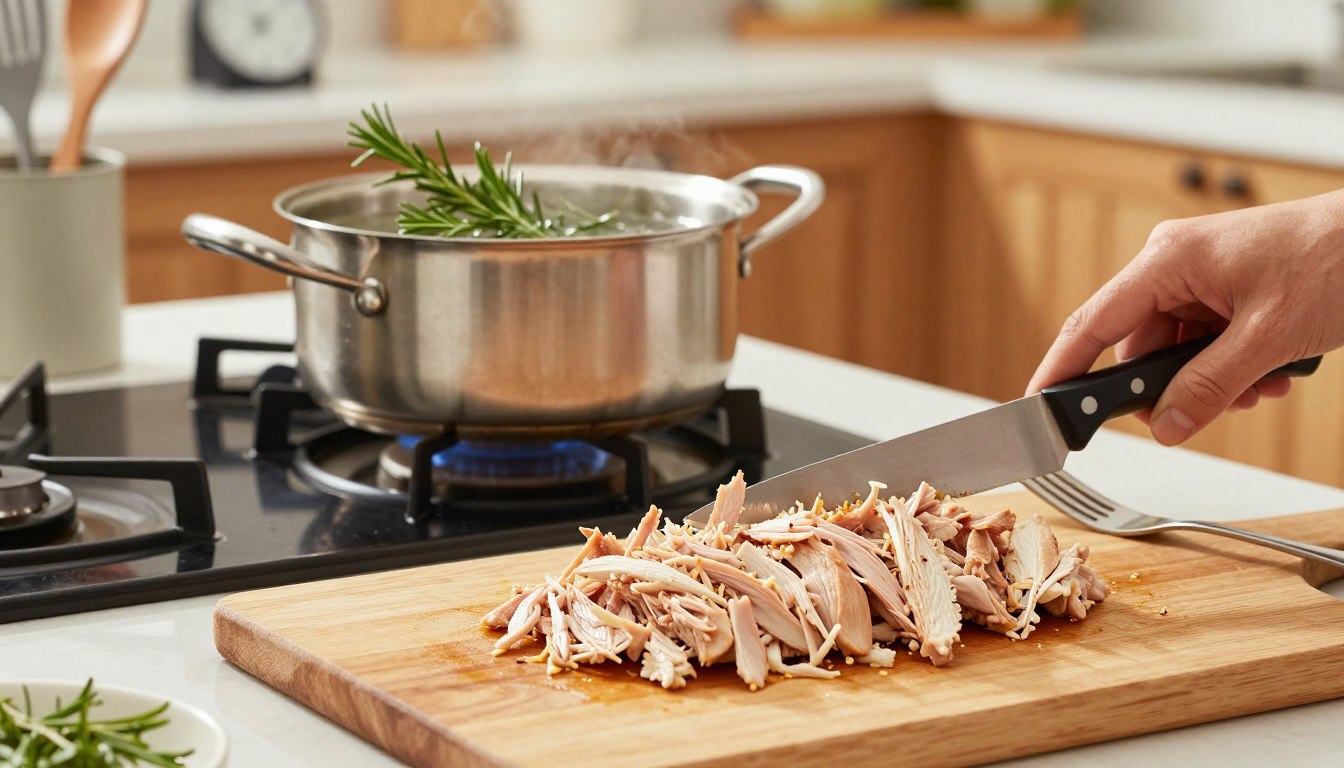
Poaching is a gentle way to coax moisture into lean breast meat. Place boneless breasts or thighs in a saucepan with water or low-sodium chicken broth. Add aromatics like onion, garlic, and a bay leaf, and keep the liquid at a low simmer. Maintain a temperature just below a rolling boil to avoid tightening the protein.
Typical cook times run 12–18 minutes for breasts and a little longer for thighs. The clear broth that remains is useful for soups or sauces. When done, let the meat rest in the liquid a few minutes before shredding for poached shredded chicken that stays moist.
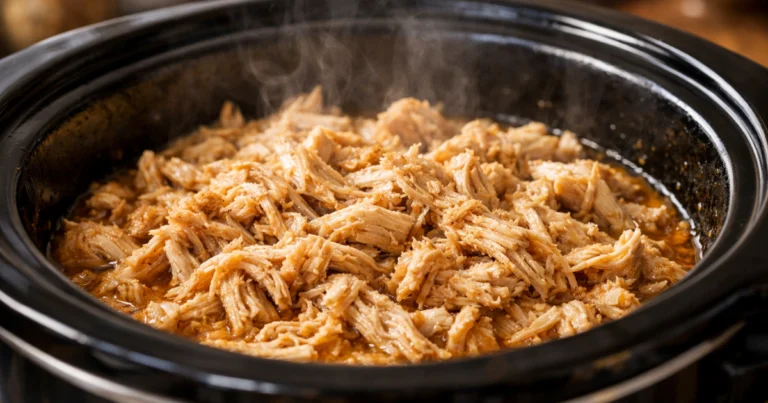
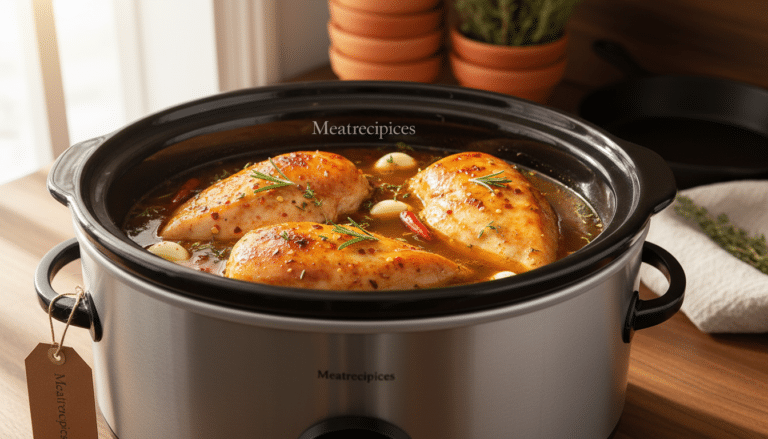
The slow cooker gives you hands-off convenience for large batches. Add enough liquid to partially submerge the pieces—broth, salsa, or a light sauce work well—then cook on low for 4–6 hours or high for 2–3 hours until fork-tender. Low-and-slow heat breaks down connective tissue without drying the meat.
For slow cooker shredded chicken, shred right in the pot or remove and pull with forks. Watch the final hour to avoid cooking to mush, ensuring defined strands instead of a puree.
Braising starts with a quick sear to build flavor, then a slow finish in a small amount of liquid. Brown breasts or thighs in oil, add aromatics and a flavorful liquid—stock, wine, or a tomato base—cover, and cook at 300–325°F in the oven or simmer gently on the stove.
Braising produces deep, concentrated flavor and tender fibers that yield excellent braised shredded chicken. Expect 1–2 hours depending on cut and size. Let meat rest in the braising liquid a short while to reabsorb juices before shredding.
Pressure cooking in an Instant Pot speeds up tender results for busy weeks. Use high pressure for about 8–10 minutes for boneless breasts and 10–12 minutes for thighs, then allow a natural release of 5–10 minutes. The sealed environment keeps moisture locked in, making Instant Pot shredded chicken fast and reliably juicy.
Adjust pressure time slightly for thicker cuts and use a short release if you want firmer strands.
Across all methods, add aromatics early to infuse flavor. Avoid prolonged, high heat and check for fork-tenderness rather than time alone. Rest the meat briefly after cooking to let juices redistribute. Use warm liquid or reserved broth when shredding to preserve moisture and make the best way to shred cooked chicken effortless every time.
| Method | Key Steps | Typical Time | Best For |
|---|---|---|---|
| Poaching | Low simmer in water or broth with aromatics; gentle temperature control | Breasts 12–18 min; thighs slightly longer | Clear-flavored, even-cooked poached shredded chicken |
| Slow Cooker | Partial submersion in liquid; cook low-and-slow; shred in pot if desired | Low 4–6 hrs; High 2–3 hrs | Large batches and hands-off slow cooker shredded chicken |
| Braising | Sear first, then cook covered in concentrated liquid at low temp | 1–2 hours depending on cut | Flavor-forward braised shredded chicken with rich juices |
| Instant Pot / Pressure | High pressure cooking; natural release to retain moisture | Breasts 8–10 min; Thighs 10–12 min + 5–10 min NR | Quick meal prep and consistent Instant Pot shredded chicken |
Temperature and timing: how long to cook chicken for shredding
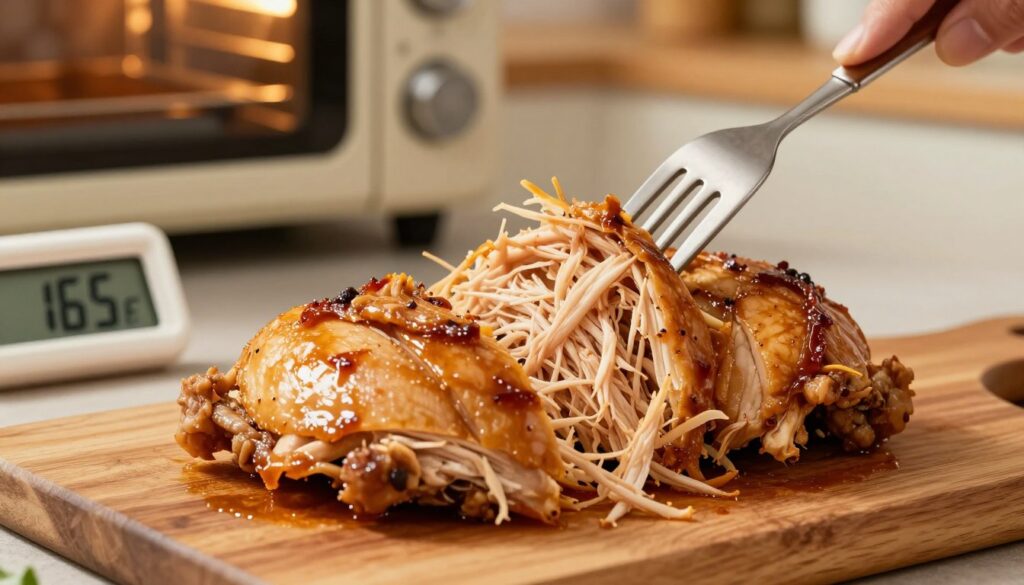
Getting the temperature and timing right is key to tender chicken. Use an instant-read thermometer as your guide. Clock times alone can be misleading because they depend on the chicken’s thickness and cooking method.
Safe internal temperature chicken guidelines from the USDA say it must be at least 165°F (74°C). This ensures that harmful bacteria are killed. For shredding, you can remove some cuts a bit earlier. This way, the carryover heat will finish cooking without drying the meat.
Ideal shredding temperature is slightly lower than the safe temperature during cooking. Remove boneless breasts at 160–163°F. This allows carryover heat to bring them to 165°F while resting. Dark meat can handle higher temperatures, so thighs can reach 170–175°F without becoming stringy.
Resting time after cooking and why it matters
Let the meat rest before shredding to allow juices to redistribute. Small pieces need 5–10 minutes. Larger cuts, like whole breasts or roasts, should rest for 10–15 minutes. Shredding too soon can result in dry meat, even if it’s cooked to the right temperature.
Adjusting time based on cut thickness and cooking method
Thicker pieces take longer to cook. Thin cutlets cook quickly. Cooking methods like poaching and braising heat differently than roasting or grilling. Always check the meat with a thermometer, as timing can vary.
Practical timing examples for cooking time shredded chicken
- Poach: boneless breasts, simmer gently 12–18 minutes; check for ideal shredding temperature with a thermometer.
- Slow cooker: low for 4–6 hours or high for 2–3 hours for breasts and thighs; verify internal temp before shredding.
- Braise: oven at 325°F for 45–75 minutes depending on size; use thermometer to confirm doneness.
- Instant Pot/pressure cook: 8–12 minutes high pressure for breasts, 10–15 for thighs plus natural release; check temp before shredding.
These are starting points for cooking chicken for shredding. Always rely on the thermometer reading over minutes. This ensures your shredded chicken is juicy and safe to eat, matching the ideal shredding temperature for your cut and method.
Tools and utensils that make shredding chicken easier
Choosing the right tools saves time and keeps the chicken’s texture perfect. You can get perfect strands with simple kitchen gear or with purpose-built chicken shredding tools. These are great when you prepare large batches for tacos, sandwiches, or salads.
Using forks and forks-alternative techniques
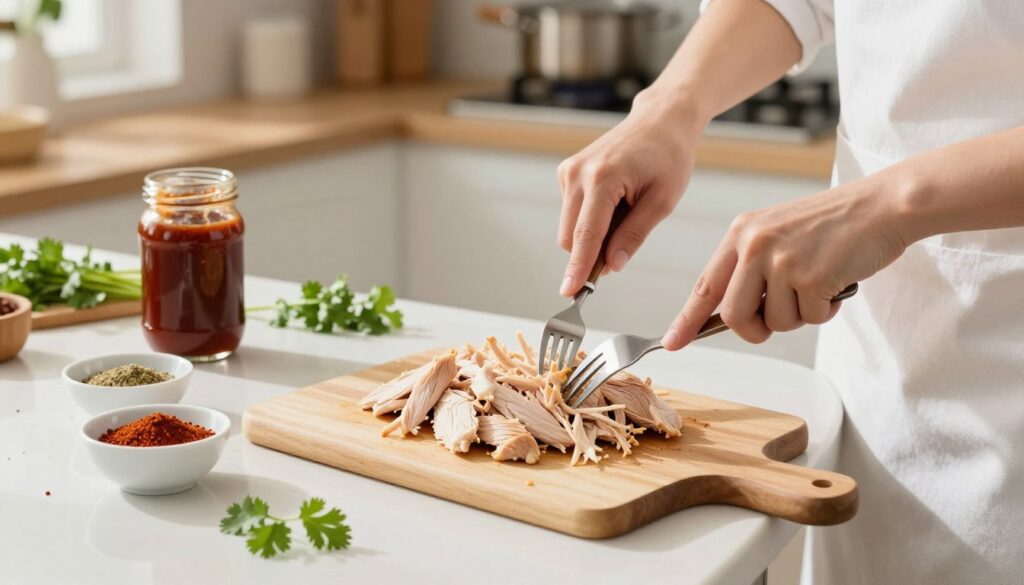
The classic double-fork method is the best way to shred cooked chicken for many home cooks. Hold the chicken steady with one fork and pull with the other in opposite directions. You control the shred size by adjusting pressure and angle.
If you lack forks, try two sturdy spoons or a bench scraper. These alternatives give similar control and avoid overworking the meat. Work while the chicken is warm to keep strands tender and juicy.
Electric mixers and hand mixers: pros and cons
Electric mixer shredding chicken is a popular shortcut when you have a big batch. Place warm chicken in a large, deep bowl and use a stand mixer with the paddle attachment or a hand mixer on low. Pulse in short bursts and check texture often.
Speed and consistency are major benefits. You can finish shredding in seconds and get even pieces. The downsides include a risk of turning meat into mush, splattering juices, and uneven shreds at high speed. Keep the mixer on low and stop frequently to test the results.
Meat claws, shredding forks, and other specialty tools
Meat claws and shredding forks are built for pulling and lifting hot meat. Brands like OXO and Cuisinart offer models with heat-resistant handles that give a secure grip. Use them for BBQ-style chicken or large roasts to pull consistent strands with less effort.
Shredding forks come in single or double prong styles. They reduce hand strain and cut down time. Look for silicone or rubberized grips for comfort and safety.
Other helpful chicken shredding tools include a cutting board with a juice well, large mixing bowls, kitchen tongs, kitchen shears, and an instant-read thermometer. Clean and sanitize tools after each use to prevent cross-contamination. Store specialty tools in a drawer or hung on a utensil rack so they are ready when you need fast, reliable shredding.
Step-by-step shredded chicken tutorial
First, make a quick prep list to save time and avoid mistakes. Remove any extra fat and silver skin. Dry the chicken with paper towels.
Season the chicken with salt and black pepper. Or, use a basic brine for more flavor. Add garlic, onion, bay leaves, and peppercorns for extra taste.
Brine times depend on the chicken cut. Breasts need 30 minutes to 2 hours. Thighs can brine up to 4 hours. Use 1/4 cup kosher salt per quart of water for the brine.
Rinse the chicken quickly and pat it dry. This prevents it from being too salty.
Follow simple cooking guides for each method. Always check the chicken’s internal temperature and let it rest before shredding.
Poaching: Put the chicken in a single layer in a skillet. Add cold water or low-sodium broth to cover by 1 inch. Add aromatics and simmer gently, then reduce heat to low.
Cook breasts 12–18 minutes, thighs 18–25 minutes, until 165°F. Remove and rest for 10 minutes.
Slow cooker: Add 1 to 1.5 cups of broth for 2–3 pounds of chicken. Cook on low 4–6 hours or high 2–3 hours. Brown the chicken first for extra flavor.
Braise: Sear the chicken until golden. Add 1 to 1.5 cups of liquid and cover. Simmer gently 25–40 minutes, depending on the cut size.
Instant Pot/pressure cook: Place chicken on a trivet or directly in 1 cup of broth. Seal and cook on high pressure 7–10 minutes for breasts, 10–12 minutes for thighs. Use natural release for 5 minutes, then quick release.
Let the cooked meat rest 8–12 minutes. This lets the juices redistribute, making the meat moist and easy to shred.
Use two forks to shred the chicken. Hold the meat steady with one fork and pull with the other in long strokes. This creates long strands.
If using an electric mixer, work in short bursts at low speed. Place chicken in a large bowl and pulse 2–4 times until the desired texture appears. Avoid overmixing to prevent mushiness.
With meat claws, anchor one claw and pull with the other. Use sweeping motions rather than chopping. For tacos and sandwiches, keep shreds medium-long. For salads and casseroles, aim for smaller, bite-sized pieces.
To finish, reserve cooking liquid or broth. Spoon a tablespoon or two back into each cup of shredded meat. This restores moisture and enhances flavor.
When storing or serving, toss shredded chicken with warm sauce or stock. For reheating, cover and warm gently in a skillet over low heat with a splash of liquid. You can also reheat in a 275°F oven, covered, until warmed through to avoid drying out.
| Method | Liquid Amount | Approximate Time | Rest Before Shredding |
|---|---|---|---|
| Poaching | Cover by 1 inch (water or broth) | Breasts 12–18 min; Thighs 18–25 min | 10 minutes |
| Slow Cooker | 1–1.5 cups broth per 2–3 lb | Low 4–6 hr; High 2–3 hr | 8–10 minutes |
| Braise | 1–1.5 cups liquid | 25–40 minutes, seared first | 10 minutes |
| Instant Pot | 1 cup broth | Breasts 7–10 min; Thighs 10–12 min (NR 5 min) | 5–8 minutes |
Seasoning and flavoring tips for shred chicken recipe success
You want shredded chicken that tastes bold but stays tender and juicy. Start by deciding if you want subtle or bold flavors. Use simple aromatics to highlight the meat and strong marinades for a punchy taste. Choose the right approach for your dish.
Basic seasoning versus bold marinades
For a clean taste, use salt, pepper, a bay leaf, and a halved onion in the cooking liquid. This lets the meat’s natural flavor shine. It also keeps the texture intact, making the meat versatile for many recipes.
Bold marinades, like barbecue or Mexican spice rubs, add strong personality. Apply them briefly before cooking or mix them in after shredding to avoid making the meat tough.
How to infuse flavor while keeping chicken tender
Add whole garlic cloves, thyme sprigs, and citrus peels to the braising liquid. This method lets flavors penetrate without drying the meat.
When using acidic ingredients like vinegar or yogurt, limit the marinating time. For breasts, use 30–90 minutes. For thighs, you can go longer but watch the texture.
For slow cookers or stovetop braising, use onions, tomatoes, chiles, or soy sauce. Finish with concentrated sauces after shredding for a burst of flavor.
Sauces and mix-ins that complement shredded chicken
Choose sauces based on how you’ll use the chicken. BBQ and buffalo are good for sandwiches. Teriyaki and salsa verde are great for bowls and tacos.
Mix-ins add balance. Try black beans, grilled corn, or roasted peppers. For salads, use mayonnaise or Greek yogurt to bind without drying the meat.
Adjust the sauce-to-chicken ratio to keep the shreds moist but not soggy. Start with 1/3 to 1/2 cup sauce per pound. Add more as needed to get the right texture.
| Use | Flavor example | When to apply | Texture impact |
|---|---|---|---|
| Basic seasoning | Salt, pepper, bay leaf, onion | During cooking | Preserves natural tenderness and shreddability |
| Short marinade | Soy-ginger, lime-chili | 30–90 minutes before cooking | Adds surface flavor without toughening |
| Bold marinades | BBQ, adobo, Mexican spices | Apply after shredding or short pre-soak | Strong taste; risk of dryness if over-marinated |
| Finishing sauces | Teriyaki, salsa verde, buffalo | Fold in after shredding | Moistens shreds and concentrates flavor |
| Mix-ins | Beans, corn, cheese, roasted veg | Combine when plating or reheating | Create balance and texture contrast |
Storing, reheating, and freezing shredded chicken safely
Quick cool-down and proper packing keep shredded chicken safe and tasty. Move cooked meat out of the danger zone fast. Follow simple steps for storing, freezing, and reheating shredded chicken to protect flavor and prevent spoilage.
Proper cooling and refrigeration practices
Cool shredded chicken within two hours of cooking. If it’s hotter than 90°F, cool it in one hour. Spread the chicken in shallow containers to speed cooling and limit bacterial growth.
Refrigerate at 40°F (4°C) or below. Use the chicken within 3–4 days for best quality and safety. Label containers with the date so you can track safe storage shredded chicken at a glance.
Freezing shredded chicken: containers and thawing tips
Portion into meal-sized packs of 1–2 cups before freezing. Use airtight containers or heavy-duty freezer bags and remove as much air as possible to avoid freezer burn. Add a splash of low-sodium broth or sauce to each pack to help preserve moisture.
Label each pack with the date and plan to use within 3–4 months for peak quality. Thaw overnight in the refrigerator or use the microwave’s defrost setting when you need faster results.
Best ways to reheat without drying out the meat
Reheat gently to keep shredded chicken tender. Warm in a covered skillet over low heat with a little broth. Stir occasionally to distribute heat and juices.
For oven reheating, set the oven to 300°F and cover the dish so steam returns to the meat. In the microwave, use short bursts at medium power and stir between intervals. Always check that the internal temperature reaches 165°F before serving.
| Task | Tip | Time/Temp |
|---|---|---|
| Cooling | Use shallow containers; divide large batches | Within 2 hours (1 hour above 90°F) |
| Refrigeration | Store at 40°F (4°C) or below; label with date | Use within 3–4 days |
| Freezing | Portion into 1–2 cup packs; remove air; add broth | Use within 3–4 months for best quality |
| Thawing | Refrigerator overnight or microwave defrost | Thaw fully before reheating |
| Reheating | Low heat with liquid; cover to retain moisture | Reheat to 165°F internal temp |
Shredded chicken hacks and easy chicken shredding tips
Quick and easy tricks save time and keep chicken moist. Use simple methods to speed up prep, restore moisture, and finish large batches evenly. Choose the method that fits your kitchen and schedule.
Speed hacks for shredding large batches
For big batches, a stand mixer on low with the paddle saves time. Place warm, cooled-to-touch breasts or thighs in the bowl and run short bursts. This method works best when meat is cooked just right then rested briefly.
Use two forks across a rimmed baking sheet to shred many pieces at once. Lay several cooked breasts side by side and pull in opposite directions. Sheet-pan cooking helps: roast many breasts covered with foil in a low oven so you can shred straight from the pan.
Using broth or sauce to restore moisture
To restore moisture, warm 1–2 tablespoons of broth or reserved cooking liquid per cup of shredded meat. Toss gently so the liquid absorbs without turning the shreds mushy. Add a teaspoon of butter or a splash of olive oil for richer mouthfeel and a pinch of salt to brighten flavor.
If your recipe calls for sauce, heat the sauce thoroughly first. Combine warm sauce with the shreds and fold gently to coat every piece. This method keeps the meat juicy in sandwiches, tacos, and casseroles.
Creative shortcuts when you’re short on time
Store-bought rotisserie chicken is your fastest route to pulled meat. Remove skin and pull meat from the bone for immediate use. Canned chicken works in emergencies though texture differs; mix canned meat with a warm sauce to improve mouthfeel.
Pre-cooked frozen options, like Tyson Fully Cooked shredded chicken, save time. Reheat gently in a covered dish with a splash of water or broth in the microwave to avoid drying. Boost store-bought flavor with fresh herbs, lemon juice, or a quick pan sauce.
Safety and quality trade-offs
Shortcuts trade some flavor and texture for speed. You can improve store-bought and canned products with fresh citrus, chopped parsley, cilantro, or a skillet toss in garlic and butter. Always reheat to a safe temperature and store leftovers properly to retain quality.
- For fastest results: use a stand mixer or two-fork method.
- To restore moisture: warm broth plus a fat like butter or olive oil.
- When in a rush: rotisserie, canned, or pre-cooked frozen chicken work well with quick flavor fixes.
Shredded chicken meal ideas and recipes to try
You can make dozens of meals from tender chicken. These meals save time and taste great. Here are ideas for sandwiches, salads, soups, casseroles, bowls, and freezer-friendly meals. Each idea includes sauce pairings, shred size, serving tips, shelf life, and simple swaps for low-carb, gluten-free, or dairy-free options.
Sandwiches, tacos, and wraps
Make handhelds that travel well. For BBQ pulled-chicken sandwiches with coleslaw, use medium shreds and toss with Kansas City–style or Sweet Baby Ray’s barbecue sauce. Top with crisp slaw for contrast. For buffalo chicken wraps, finely shred and mix with Frank’s RedHot and ranch or a dairy-free ranch alternative.
Make Mexican-style tacos with larger shreds, bright salsa, chopped cilantro, and a squeeze of lime. Try chicken paninis with pesto and provolone; press until the cheese melts and edges crisp. For each idea, a simple shred chicken recipe that packs sauce into the meat keeps sandwiches shredded chicken moist after slicing.
Salads, soups, and casseroles
Shredded chicken salads work in many formats. Toss medium shreds into a chicken Caesar or a chopped Cobb with hard-boiled egg and avocado. Dress lightly to keep textures fresh. Use small shreds in chicken noodle soup so they nestle among noodles and vegetables. For tortilla soup or chicken & wild rice, larger shreds give chew and presence.
Casseroles welcome shredded chicken because it blends into sauces and stays tender under heat. Try enchilada casserole, chicken tetrazzini, or creamy broccoli-chicken bake. Use fully cooked shredded chicken so the bake reheats evenly. These dishes often freeze well before baking, making them practical freezer-friendly shredded chicken meals.
Meal prep bowls and freezer-ready options
Assemble grain bowls with brown rice or quinoa, roasted vegetables, and a saucy portion of chicken. Keep sauce separate until reheating if you want firmer textures. Portion into meal prep containers for 3–5 days in the fridge. Pack dressings or citrus wedges on the side for freshness.
For freezer-friendly shredded chicken meals, create casserole or enchilada assemblies and freeze them before baking. Or, bag cooked shredded chicken in meal-size portions with sauce and freeze flat. Thaw overnight in the fridge or reheat from frozen in a simmering pan with added broth to restore moisture.
| Recipe Type | Shred Size | Recommended Sauce | Fridge Life | Freezer Option |
|---|---|---|---|---|
| BBQ Pulled-Chicken Sandwich | Medium | Kansas City BBQ or Sweet Baby Ray’s | 3–4 days | Freeze shredded chicken in sauce for 2–3 months |
| Buffalo Wraps | Fine | Frank’s RedHot + ranch | 3 days | Freeze shredded chicken only; add sauce fresh |
| Mexican Tacos | Large | Salsa verde or pico de gallo | 3 days | Assemble tortillas fresh; freeze filling for 2 months |
| Chicken Caesar / Cobb | Medium | Caesar dressing or vinaigrette | 3–4 days | Freeze shredded chicken; add salad fresh |
| Soup (Chicken Noodle / Tortilla) | Small | Broth-based or tomato base | 4 days | Freeze soup minus pasta for 2–3 months |
| Enchilada / Casserole | Medium | Enchilada sauce or creamy white sauce | 3–4 days | Freeze unbaked casserole for 2–3 months |
| Grain Meal Prep Bowls | Medium | Chimichurri, tahini, or teriyaki | 3–5 days | Freeze chicken in sauce; grains separate for best texture |
Serving suggestions: warm sandwiches on toasted brioche, top salads with chopped nuts for crunch, ladle soups with a squeeze of lemon, and bake casseroles until bubbly. For dietary swaps, use low-carb wraps or lettuce cups, gluten-free tortillas, and dairy-free cheeses. Label frozen packs with date and contents. Follow basic food-safety guidelines: refrigerated dishes last 3–5 days, frozen items last 2–3 months for best quality.
Conclusion
To master how to cook chicken to shred, pick the right cut and method. Thighs are forgiving, while breasts can be dry if overcooked. Use poaching, slow cooking, or an Instant Pot for tender meat.
Watch the temperature and resting time closely. An instant-read thermometer is key for safety and texture. Choose the best shredding tool for your kitchen and follow the tutorial to avoid stringiness.
Proper storage and reheating keep chicken juicy. Cool it fast, then refrigerate or freeze in shallow containers. Reheat with a bit of broth or sauce. Start with a method, then try new sauces or meals.
With a few tweaks, you’ll get tender, flavorful shredded chicken for many recipes and meal prep.