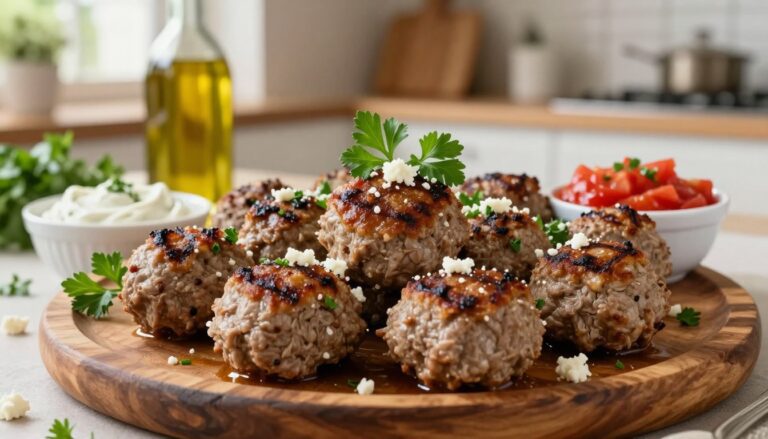
Ground Lamb Meatballs: Oven, Stovetop & Braised
Want a simple weeknight dish that tastes like a Mediterranean takeout? This recipe for ground lamb meatballs is easy to make. You can choose from oven, stovetop, or braised methods to get the texture you prefer.
This recipe for ground lamb meatballs is quick to prepare. Many oven-baked versions are ready in about 25–30 minutes. You can make about 20 meatballs per pound, using 1–2 tablespoons each. Each small meatball has around 75–77 calories, depending on the add-ins and sauces.
Follow this recipe and you’ll get a simple guide to making juicy lamb meatballs. You’ll learn how to avoid toughness, the safe internal temperature, and smart swaps for pantry-friendly cooking.
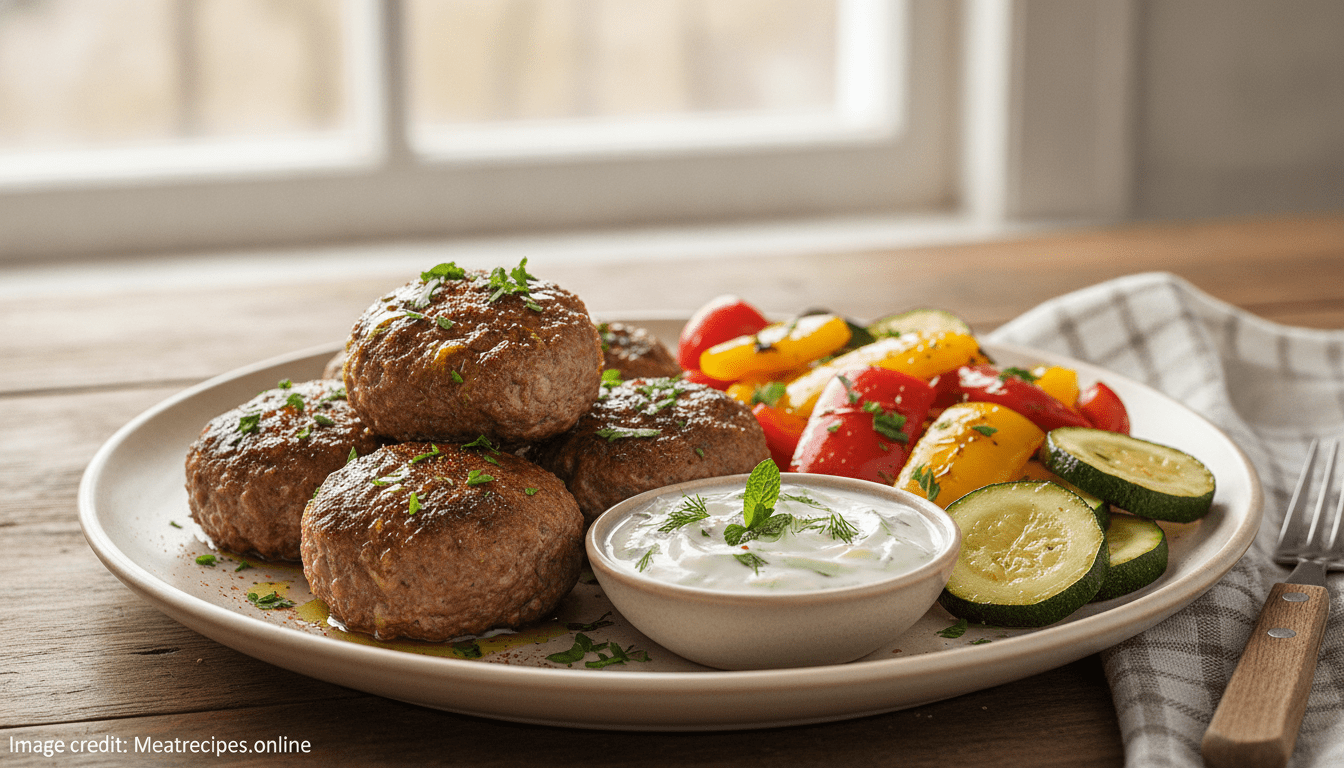
Mediterranean Ground Lamb Meatballs
Ingredients
Method
- Heat the oven to 400–425°F and line a baking sheet with parchment paper or a light coat of oil.
- In a large bowl, combine the ground lamb, egg, diced onion, garlic, feta, oregano (or mint), lemon juice, cumin, paprika, cayenne, salt, and pepper. Add the breadcrumbs or panko.
- Mix gently by hand just until combined; stop as soon as the mixture holds together to avoid dense meatballs.
- Using a 2-tablespoon cookie scoop, portion the mixture into about 18-20 meatballs; roll into rounds and place 2 inches apart on the sheet.
- Bake at 400–425°F for 15-20 minutes, until browned and the internal temperature reaches 160°F.
Notes
Table of Contents
Key Takeaways
- Ground lamb meatballs deliver bold Mediterranean flavors with minimal fuss.
- Oven-baked cooks fastest; braising adds richness but takes longer.
- One pound yields ~20 small meatballs; portion size affects calories.
- Target 160°F internal temperature for safe, juicy lamb meatballs.
- These lamb meatballs recipe ideas work well for meal prep and freezing.
Why you’ll love this Mediterranean lamb meatballs recipe
These meatballs offer bold, bright flavors without a long list of ingredients. They mix oregano, garlic, lemon, and a bit of feta. This creates aromatic, savory bites perfect for pita, rice, or a simple salad.
They’re quick to make for a weeknight dinner. Prep takes about 10 minutes, and cooking in the oven or skillet takes 15–20 minutes. Braised versions take longer but require less effort.
They use simple pantry items like ground lamb, an egg, breadcrumbs, onion, and basic spices. Adding fresh herbs and crumbled feta gives them a Greek twist without exotic ingredients.
Freezer-friendly portions make meal prep easy. Form raw or cooked meatballs on a sheet pan, freeze, and then store in airtight containers or vacuum seal bags. They stay good for months, making quick lunches or dinners.
These meatballs fit into any meal plan. Serve as appetizers, in pita or naan with tzatziki, or over couscous or orzo for a family dinner. They’re great with sauces like harissa, tomato, or a lemony herb drizzle.
If you’re looking for more inspiration, check out these easy ground lamb dinner ideas that work well for busy weeknights and family meals.
| Feature | Why it helps | Practical tip |
|---|---|---|
| Quick prep | Saves weekday time | Mix ingredients by hand; use a cookie scoop for uniform balls |
| Bold flavors | High impact from few spices | Use fresh lemon and herbs to brighten the dish |
| Freezer-friendly | Ready-made meals in minutes | Freeze on a sheet pan then transfer to bags for best texture |
| Versatility | Works as main, snack, or party food | Add feta and oregano for a Greek twist, or try harissa for heat |
Ingredients you need for juicy Mediterranean meatballs
Getting the right ingredients is key to making great ground lamb meatballs. Here’s a guide on proteins, binders, flavor builders, and pantry swaps. This way, your lamb meatballs will always be tender and flavorful.
Primary proteins and binders
Start with 1 pound of ground lamb for a classic taste. Mix in 1 pound of 93% lean ground beef for a milder flavor. Add one large egg per pound of meat to hold it together.
For another Mediterranean-inspired meal, try this flavorful ground lamb dinner that combines simple ingredients with authentic regional flavors.
For lighter meatballs, use ½ cup of panko breadcrumbs per pound. For denser ones, go for 1 cup of regular breadcrumbs.
Flavor builders: spices, herbs, and cheese
Begin with ¼ cup of diced red onion or ½ cup of grated onion and 3–4 cloves of garlic. Add 1–2 tablespoons of chopped mint or 2 teaspoons of fresh oregano for freshness. For a spicy kick, include 1 teaspoon of ground cumin and 1–2 teaspoons of paprika.
For a Moroccan twist, add 1½ teaspoons of turmeric and 1–1½ teaspoons of ground cinnamon. Balance the flavors with ¼ cup of crumbled feta per pound and a tablespoon of lemon juice. Optional, add ¼ teaspoon of cayenne for heat. Use garlic powder or white pepper sparingly for depth.
Suggested pantry swaps and substitutions
If lamb is hard to find, use 80% ground beef or ground pork as substitutes. Replace harissa paste with a mix of harissa powder and olive oil. Use pomegranate juice in glazes; cranberry or tart cherry juice work as substitutes.
Pre-crumbled feta saves time; block feta adds extra brine. For a gluten-free version, use gluten-free breadcrumbs or almond meal instead of panko.
- Protein ratio: 1 lb lamb alone or 1 lb lamb + 1 lb lean beef for milder flavor
- Binder ratio: 1 large egg per pound of meat, ½ cup panko or 1 cup breadcrumbs
- Key seasonings: cumin, paprika, garlic, fresh mint or oregano, lemon juice, feta
Kitchen equipment and prep tips for best results
Having the right tools can make a huge difference in cooking ground lamb meatballs. You’ll need an instant-read food thermometer, a half sheet pan lined with parchment, and a 2-tablespoon cookie scoop or kitchen scale. For stovetop or braised versions, a cast-iron skillet and a 4-quart Dutch oven are essential.
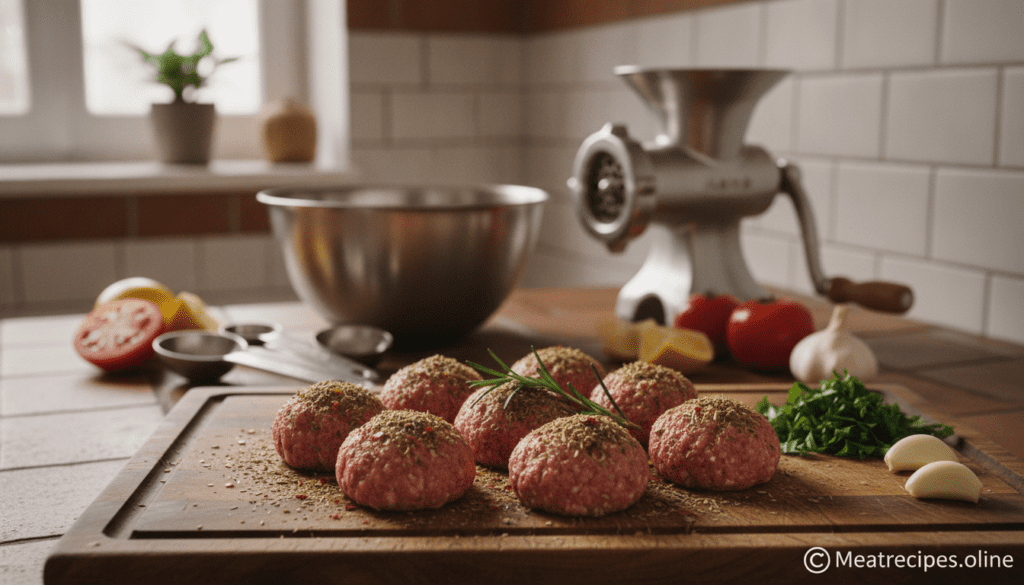
Must-have tools: thermometer, baking sheet, cookie scoop
An instant-read thermometer is key to ensure the meat is cooked to 160°F. A rimmed half sheet pan and parchment paper prevent sticking and make cleanup easy. A cookie scoop or kitchen scale helps you make meatballs of the same size for even cooking.
Prep tips to avoid overworking the meat
Be gentle when mixing the ingredients. Just mix until they stick together. Over-mixing can make the meatballs dense and tough.
If you don’t want to touch raw meat, use disposable food-safe gloves. When mixing lamb with beef, mix briefly and evenly to keep the meat tender.
Measuring tips: weight vs. volume for consistency
Using a digital kitchen scale is best when you can. It makes recipes more consistent. Volume measures can vary, so they’re not always reliable.
Remember, Diamond Crystal kosher salt is different from table salt. Use about half as much table salt as Diamond Crystal to avoid over-salting.
Step-by-step oven-baked ground lamb meatballs
First, heat your oven to 400–425°F. Then, prepare a baking sheet with a light oil or parchment liner. This step ensures your meatballs are tender and evenly cooked.
Mixing the meat and flavor components
Start with 1 lb ground lamb in a bowl. Add diced onion, minced garlic, 1 beaten egg, and 1/4 cup crumbled feta. Also, include fresh oregano or mint, lemon juice, and spices like cumin, paprika, salt, pepper, and a pinch of cayenne. Finish with 1/4 cup breadcrumbs or panko.
Mix gently until everything is well combined. Stop mixing once the mix holds together. Avoid overworking to prevent dense meatballs.
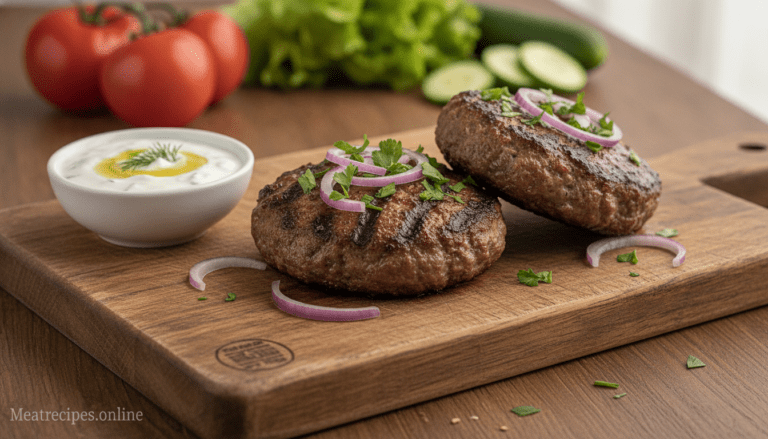
If you enjoy shaping ground lamb into different meals, these juicy ground lamb burgers are another delicious option with simple seasonings and rich Mediterranean flavor for an easy family dinner.
Shaping uniform meatballs for even cooking
Use a 2-tablespoon cookie scoop for portions. This size makes about 18–20 meatballs per pound. Roll each portion into a round and place them 2 inches apart on the sheet.
Uniform meatballs cook evenly. This ensures they reach the same internal temperature, giving consistent results.
Baking temperature and internal doneness guideline (160°F for ground lamb)
Bake at 400–425°F for 15–20 minutes. They should be browned and cooked through. Use a thermometer to check for 160°F, the standard for ground lamb.
For a seared exterior, brown meatballs in a hot skillet. Then, finish them in the oven at the same temperature. This method ensures safety and texture.
According to USDA food safety guidelines, ground lamb should reach an internal temperature of 160°F before serving.
Stovetop and braised variations for different textures
Try two ways to cook your lamb meatballs. One method makes a crunchy crust that sounds great when you bite. The other keeps the meat tender and saucy.
Pan-frying (cast-iron method)
Heat 2 tablespoons of olive oil in a cast-iron skillet over medium-high. Add the meatballs without crowding. This helps them brown evenly.
Turn each meatball every two minutes for a crispy crust. It takes about 6–8 minutes for small meatballs to reach 160°F. Cook in batches to keep the oil hot.
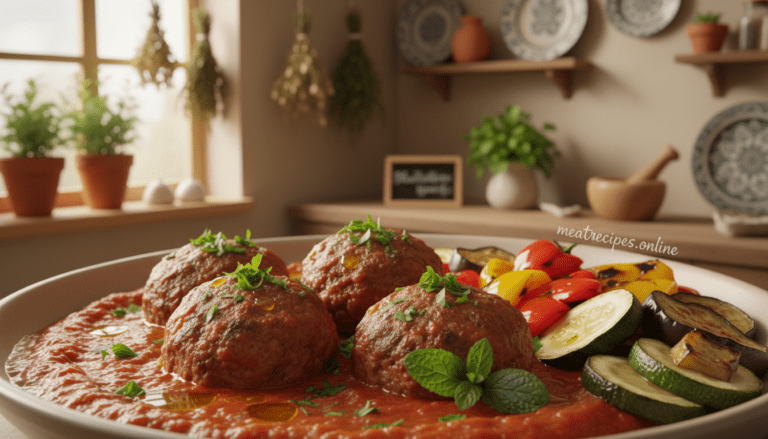
Braising in harissa or tomato-based sauces
Start by cooking a chopped onion with harissa paste. Add chicken broth, pomegranate juice, and crushed tomatoes. Bring to a boil, then simmer.
For harissa lamb meatballs, mix lamb, breadcrumbs, an egg, and spices. Shape the meatballs and place them in the sauce. Make sure they’re mostly covered.
Cover and bake at 375°F for about 35 minutes. The meatballs should reach a safe internal temperature. Skim off excess fat to avoid a greasy sauce.
Adjusting cook times for mini vs. jumbo meatballs
Mini meatballs cook faster than jumbo ones. Check their temperature early. Jumbo meatballs need more time to cook through.
Always check the meat’s internal temperature. This ensures the right texture, whether it’s crispy or tender.
Serving ideas: wraps, bowls, and appetizers
Simple plating makes these meatballs perfect for any event. Serve them on warm flatbreads, hearty grains, or a colorful platter. Here are quick ideas to highlight flavor and texture.
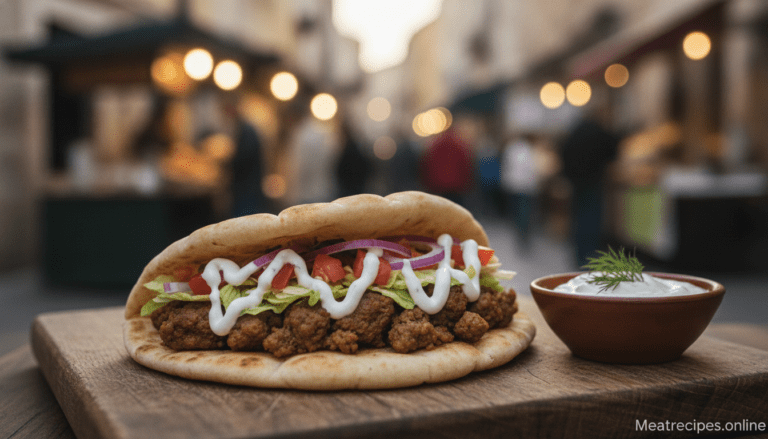
Put sliced cucumber, tomato, mint, and tzatziki in pita or naan. Add crumbled feta and a squeeze of lemon. This turns lamb meatballs into a fun, casual dinner.
Bowls and grain plates
Place meatballs on orzo, couscous, or yellow rice. Add a cucumber-tomato salad and some pistachios or almonds. For a saucy dish, try harissa meatballs with quinoa or creamy polenta.
Party platters and appetizers
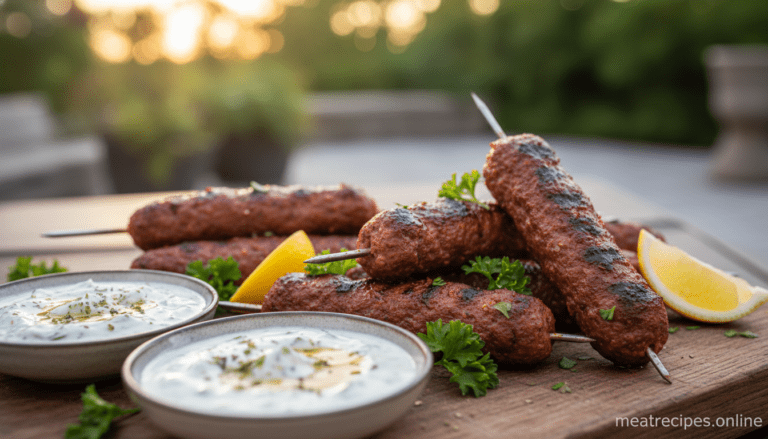
Make mini meatballs and serve them on skewers with dips like tzatziki and harissa-yogurt. Offer pita chips, roasted veggies, and hot honey carrots as sides. These small bites make for a great tapas spread.
Feel free to mix and match these ideas to fit your mood and schedule. You can make more for big gatherings or keep it simple for weeknights.
For another authentic Mediterranean favorite, try these homemade ground lamb gyros served with warm pita, crisp vegetables, and creamy tzatziki sauce for a complete meal.
Flavor variations and recipe riffs (Greek, Moroccan, harissa)
Try a trio of riffs to keep your weeknight dinners exciting. Each variation builds on a basic mix so you can test spices, fillings, and braising liquids without reworking the whole recipe. Use these ideas to tailor texture, heat, and acidity to your taste.
Greek-style
Fold oregano, fresh mint, lemon juice, and a pinch of cumin into your meat. Press a small amount of crumbled feta into the center of each ball so you get melty pockets as they bake. Use pre-crumbled feta to limit extra moisture. Serve with tzatziki and warm pita for a classic finish — bright and tangy, perfect when you want a quick Greek-inspired twist on the base recipe.
Moroccan-inspired
Mix cinnamon, turmeric, smoked paprika, ginger, and cumin into the ground meat. Add a splash of pomegranate juice to the braise to make a glossy sweet-tart glaze. For balance, combine lean ground beef with lamb and add breadcrumbs to bind. Plate over couscous or long-grain rice so the sauce soaks in and lifts the spices.
Harissa-braised
Build a robust braising liquid with 2 tablespoons harissa paste, sautéd onion, chicken stock, crushed tomatoes, and a touch of pomegranate juice. You can swap harissa powder plus oil if you don’t have paste; add oil so the spices bloom. Make sure the meatballs are submerged during the braise to absorb maximum flavor. Once cooked, skim the surface fat for a cleaner sauce. These harissa lamb meatballs bring smoky heat and deep, layered flavor.
If you want the dedicated Greek version of this dish, see our Greek lamb meatballs recipe, served with pita bread, fresh vegetables, and homemade tzatziki sauce.
For testing variations, use this quick comparison to pick the right riff for your meal plan.
| Variation | Key Spices & Add-ins | Braising/Serving Suggestion |
|---|---|---|
| Greek-style | Oregano, mint, lemon, cumin, crumbled feta | Tzatziki, pita, light bake or quick pan-sear |
| Moroccan-inspired | Cinnamon, turmeric, smoked paprika, ginger, pomegranate juice | Pomegranate glaze braise, serve over couscous or rice |
| Harissa-braised | Harissa paste or powder+oil, onion, tomatoes, stock, pomegranate | Fully submerged braise, skim fat, serve with crusty bread or grains |
These riffs work with most ground lamb meatball recipes. Try one variation, then swap an herb or swap the braise to discover what you like best.
Storage, make-ahead, and freezing instructions
Plan ahead to keep your kitchen running smoothly. Proper storage and make-ahead steps ensure your ground lamb meatballs stay flavorful. This way, you can enjoy easy dinners or party trays without stress.
How long cooked meatballs last in the fridge
Keep cooked meatballs in an airtight container in the fridge. They last 3–4 days. Braised meatballs in sauce can last up to 5 days if chilled quickly.
Freezing uncooked and cooked meatballs, plus thawing tips
Freeze uncooked meatballs on a parchment-lined sheet for 1–2 hours. Then, put them in freezer bags or airtight containers. Label them with the date and use within 3–4 months for the best taste.
To freeze cooked meatballs, cool them down first. Freeze on a sheet pan until firm, then vacuum seal or bag. Both cooked and uncooked meatballs last about 3–4 months. Braised recipes can last up to 6 months if vacuum sealed.
Thaw frozen meatballs in the fridge overnight. If baking raw frozen meatballs, let them sit at room temperature for about an hour before cooking.
Best reheating methods
Oven: preheat to 300–350°F. Place meatballs in a dish, add a splash of sauce or broth, cover with foil, and heat 10–30 minutes.
Skillet: reheat over medium-low heat with a little broth or sauce. Turn often to keep the exterior tender.
Microwave: use 30-second intervals, stirring or turning between bursts. For juicier results, microwave first, then finish in a hot skillet.
These tips work for both classic and quick ground lamb meatball recipes. Use airtight packaging and clear labels for faster, safer weeknight meals.
Nutrition, safety, and ingredient notes
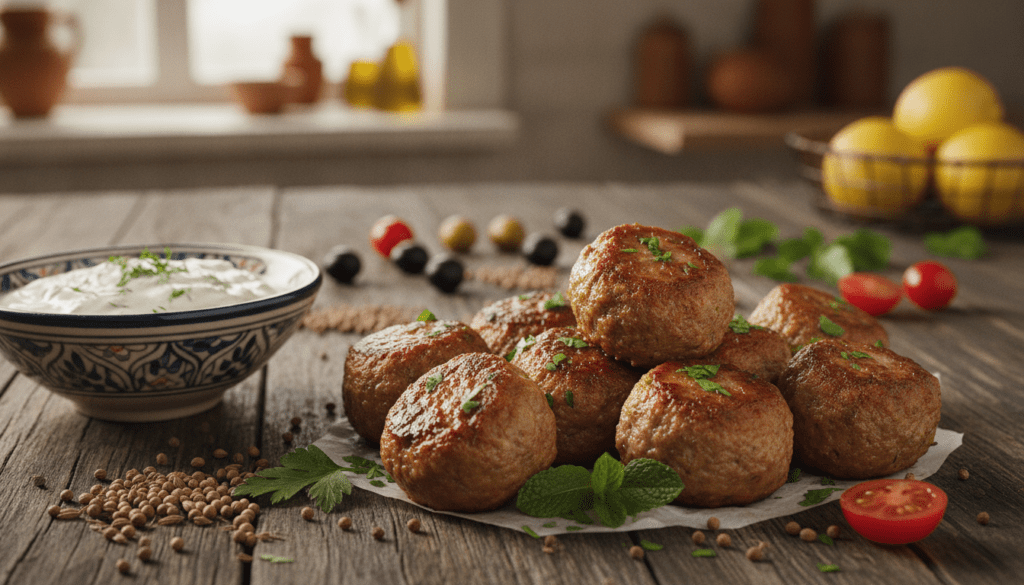
This section offers nutrition estimates, safe cooking tips, and ingredient swaps for ground lamb meatballs. Use these tips to adjust portions, avoid safety mistakes, and make a lamb meatballs recipe fit your diet.
Estimated nutrition per meatball
Small oven-baked meatballs have about 75–77 kcal each. They contain roughly 4 g protein and 6 g fat. If you mix lamb with beef or add rich sauces and cheese, a serving can have 500+ kcal. So, it’s important to control portion sizes when cooking this recipe.
Lamb is a good source of protein, iron, zinc, and several important vitamins and minerals.
Practical portion considerations
Two or three small meatballs are a good protein boost for salads or bowls. For a main dish, aim for 5–8 small meatballs or 3–4 medium ones per person. Remember to track breading, cheese, and sauce additions as they can quickly increase calories and sodium.
Safe internal temperature and handling
Always check if meatballs are done with an instant-read thermometer. For ground lamb-only meatballs, aim for 160°F. Some recipes, like mixed or braised ones, might suggest 165°F. Always follow local food-safety guidelines and thermometer readings if unsure.
Skimming fat after braising
Braised meatballs can leave a fatty sauce. To remove excess fat, cool the sauce briefly and skim it off with a spoon. For a quick trick, add ice cubes to the sauce; the fat will solidify and you can lift it out easily.
Allergy and diet adaptations
If you need gluten-free options, use gluten-free crumbs, almond meal, or crushed gluten-free crackers instead of breadcrumbs. For dairy-free cooks, omit feta or use a dairy-free alternative from brands like Daiya or Kite Hill.
Egg-free and binder swaps
Replace eggs with a flax “egg” (1 tbsp ground flax + 3 tbsp water per egg) or a commercial binder if you have an egg allergy. This will change the texture slightly but ensure stable meatballs when following easy ground lamb meatball recipes.
Salt and seasoning notes
Different salts measure differently. If a recipe calls for Diamond Crystal kosher salt, use less when using table salt. Taste as you go and season carefully when adjusting salt type.
| Item | Typical value (small baked) | Notes |
|---|---|---|
| Calories per meatball | 75–77 kcal | Depends on size and fat percentage of the ground lamb |
| Protein | ~4 g | Good source for small portion; increases with added beef |
| Fat | ~6 g | Varies by lamb trim; braised dishes often add sauce fat |
| Safe internal temp | 160°F (165°F for some mixed/braised) | Use an instant-read thermometer to confirm doneness |
| Gluten-free swap | Almond meal or GF crumbs | Keeps texture similar; adjust binder amounts |
| Dairy-free swap | Dairy-free cheese | Brands: Daiya, Kite Hill; omit to reduce fat |
| Egg-free binder | Flax egg or commercial binder | Texture will be slightly different but holds well |
| Fat-skimming tip | Ice cube method | Cool briefly, add ice to solidify fat for easy removal |
Want even more meal ideas? Explore our collection of ground lamb recipes for quick dinners, meal prep, and traditional Mediterranean dishes.
Conclusion
You can make delicious Mediterranean ground lamb meatballs at home. They’re perfect for weeknight dinners, meal prep, or parties. Just follow the oven, stovetop, or braised methods here.
Use fresh herbs and spices to keep the meatballs tender and tasty. This way, you’ll get juicy and flavorful meatballs every time.
Make sure to use a thermometer to check the meat’s temperature. Aim for 160–165°F to keep it safe and moist. Freezing cooked or uncooked meatballs is a great way to save time later. Just reheat them gently to keep their texture.
Try different flavors like Greek with feta and tzatziki, Moroccan with spices and pomegranate, or harissa-braised for a saucey dish. Each twist keeps the meatballs tender and flavorful. This makes it easy to impress your guests or enjoy a tasty meal at home.
FAQ
How many meatballs does 1 pound of ground lamb make?
What internal temperature should I cook ground lamb meatballs to?
Can I mix ground lamb with beef? Will that change cooking times?
What’s a simple binding ratio for one pound of meat?
Which spices and herbs create the classic Mediterranean/Greek flavor?
How do I make Moroccan or harissa-style meatballs?
What are quick methods for weeknight cooking?
Can I freeze meatballs? How long do they keep?
What’s the best way to reheat frozen cooked meatballs?
How do I avoid dense meatballs from overmixing?
What tools make consistent meatballs easier?
How much feta or lemon should I add for Greek-style meatballs?
Can I make this gluten-free or dairy-free?
Do braised meatballs take much more active time than oven-baked ones?
What are good serving ideas for lamb meatballs?
How many calories are in a typical 1–2 tbsp lamb meatball?
⭐ Love This Recipe? Tell Us What You Think!
There are no reviews yet. Be the first one to write one.